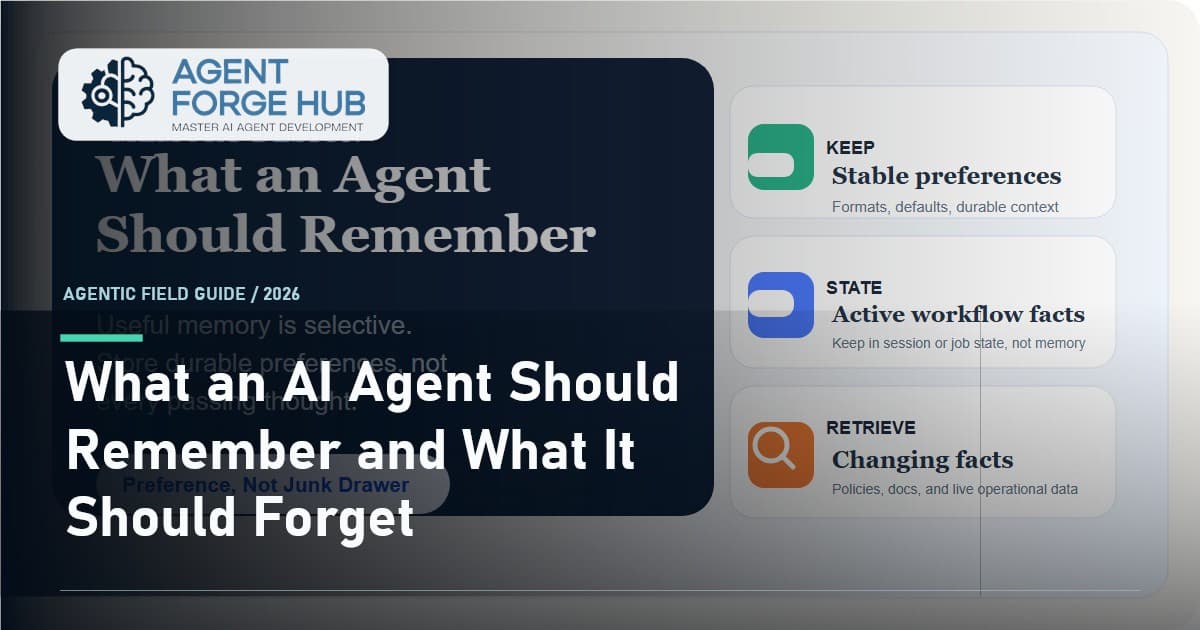
What an AI Agent Should Remember and What It Should Forget
Teams say they want agent memory, but usually mean three different things. This guide separates memory from retrieval and workflow state, then shows what is actually worth storing.
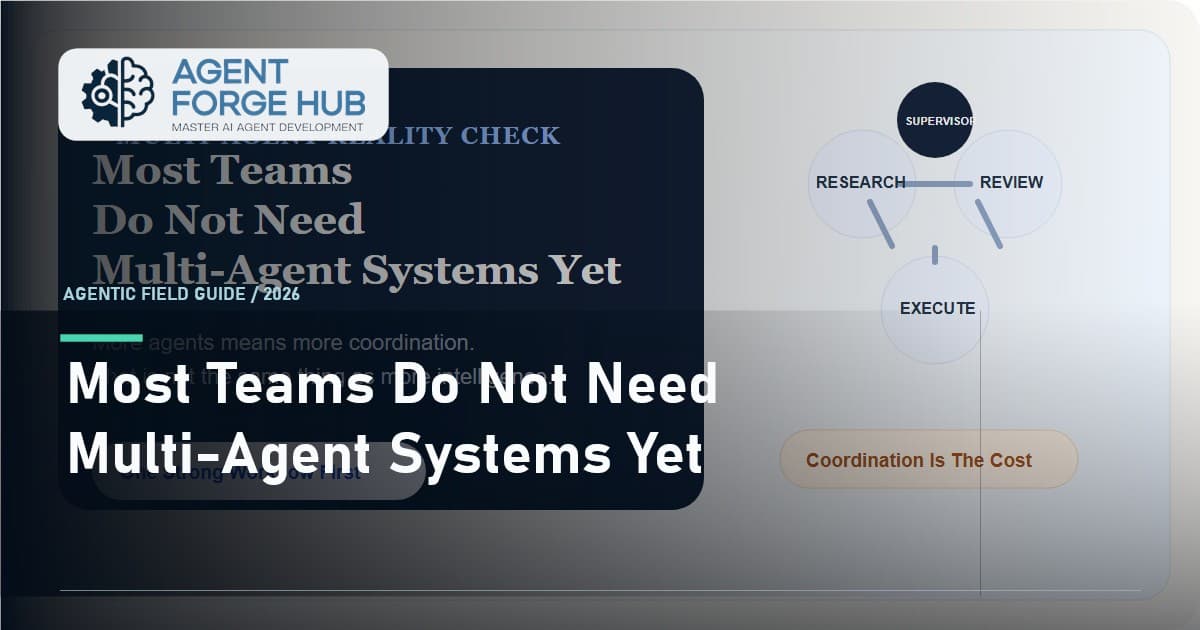
Multi-agent systems are seductive because they look like organizational intelligence. In practice, most teams reach for them before they have earned the extra coordination cost.
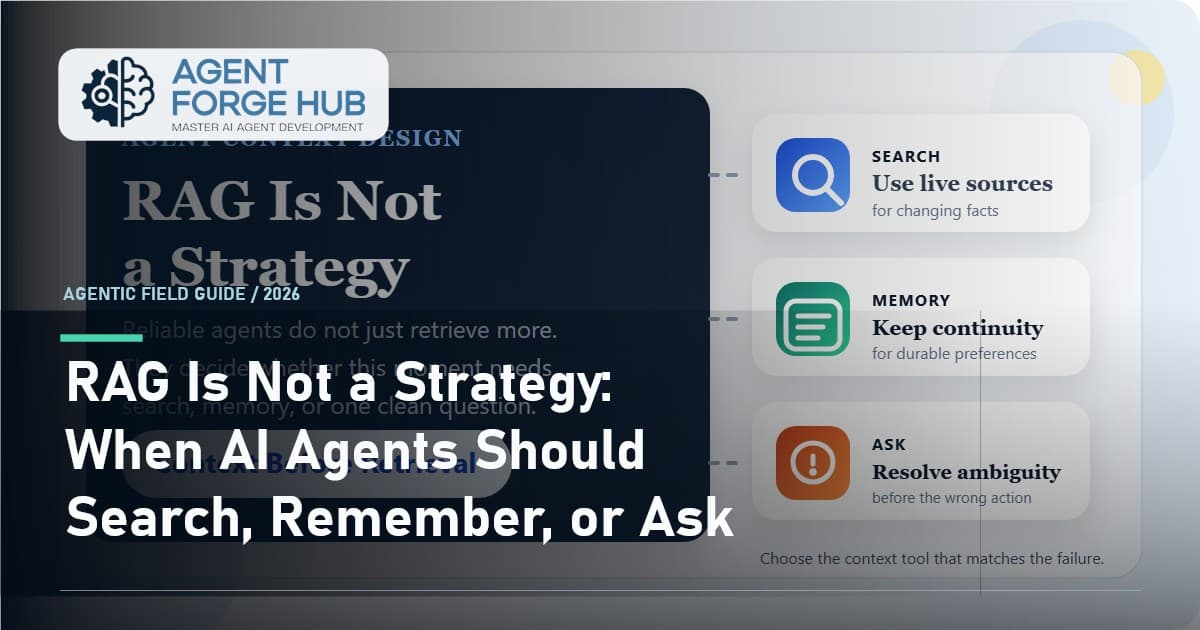
Too many teams reach for retrieval before they understand the real problem. This practitioner-focused guide explains when an AI agent should search, when it should rely on memory, and when it should stop and ask a clarifying question instead.

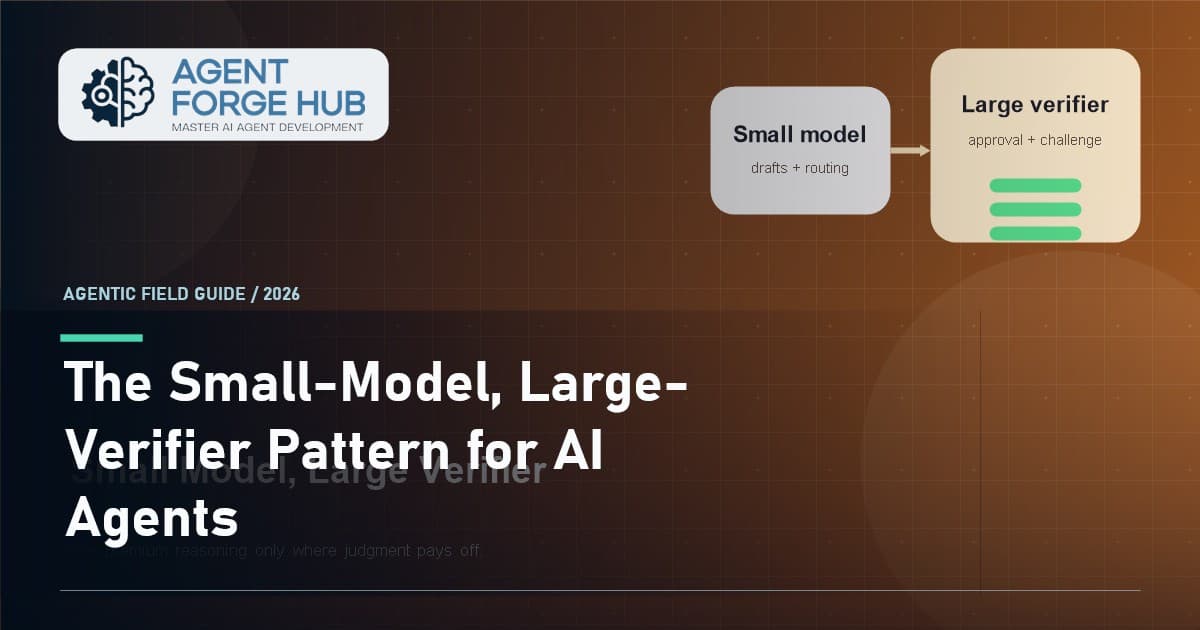
A practical architecture pattern for using smaller models to act and stronger models to verify, keeping agent quality high without paying premium cost on every step.

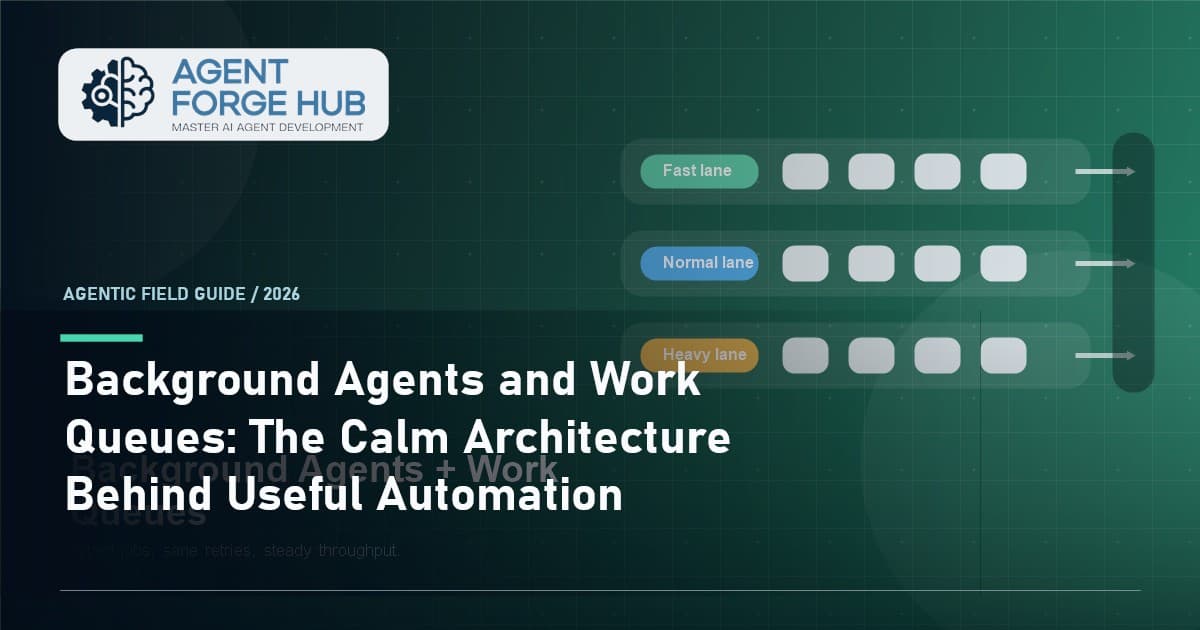
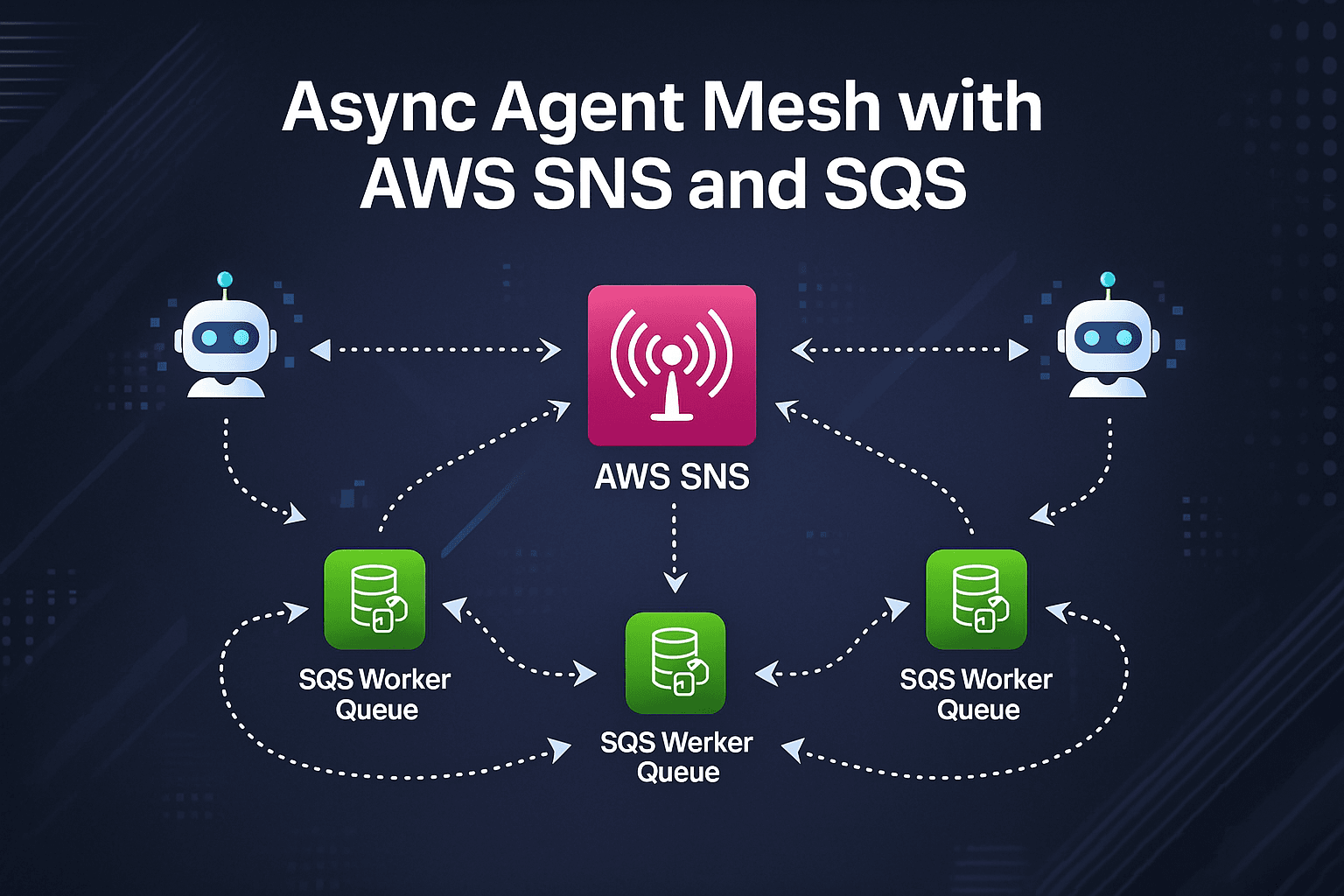
A practical guide to designing background agents that work through queues, recover gracefully, and avoid turning every workflow into a chat session.

A practical guide to keeping agent memory useful, safe, and inexpensive by design.

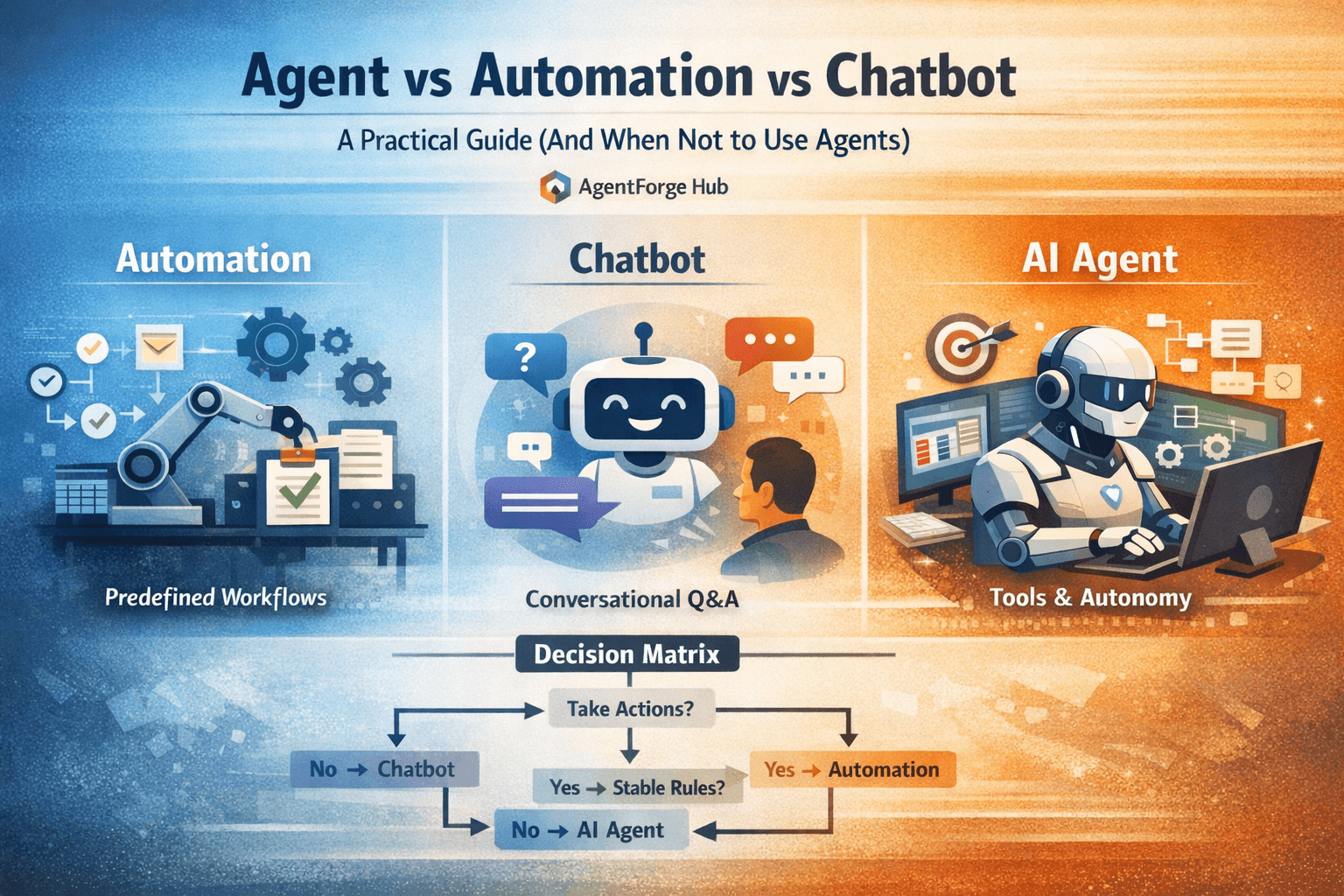
A decision-first guide to pick the simplest option that works: classic automation, a chatbot, or a true AI agent with tools, memory, and autonomy.

Design an asynchronous backbone for AI agents using AWS SNS fan-out and SQS worker queues, with the AWS AgentCore managed service orchestrating the flow.

Compare orchestration patterns for multi-agent systems and learn how to build a command center that mixes DAG planners, event streams, and human checkpoints.

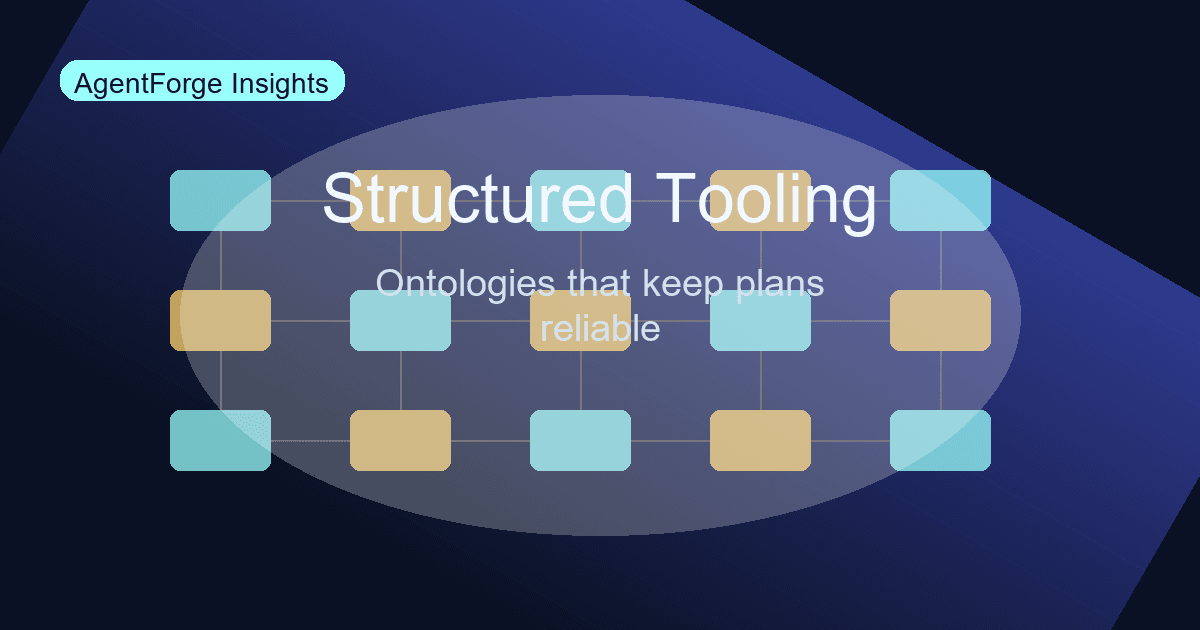
Design disciplined tool schemas, function signatures, and domain ontologies so agents can plan with confidence and avoid brittle prompt hacks.
Stay updated with the latest insights and tutorials on architecture
Explore comprehensive content about architecture in AI agent development. Find tutorials, guides, and insights to help you master this topic.