Reasoning Budgets for AI Agents: When Should an Agent Think Longer?
More reasoning is not always better. This guide explains how to give agents adaptive thinking budgets based on risk, uncertainty, cost, and workflow value.
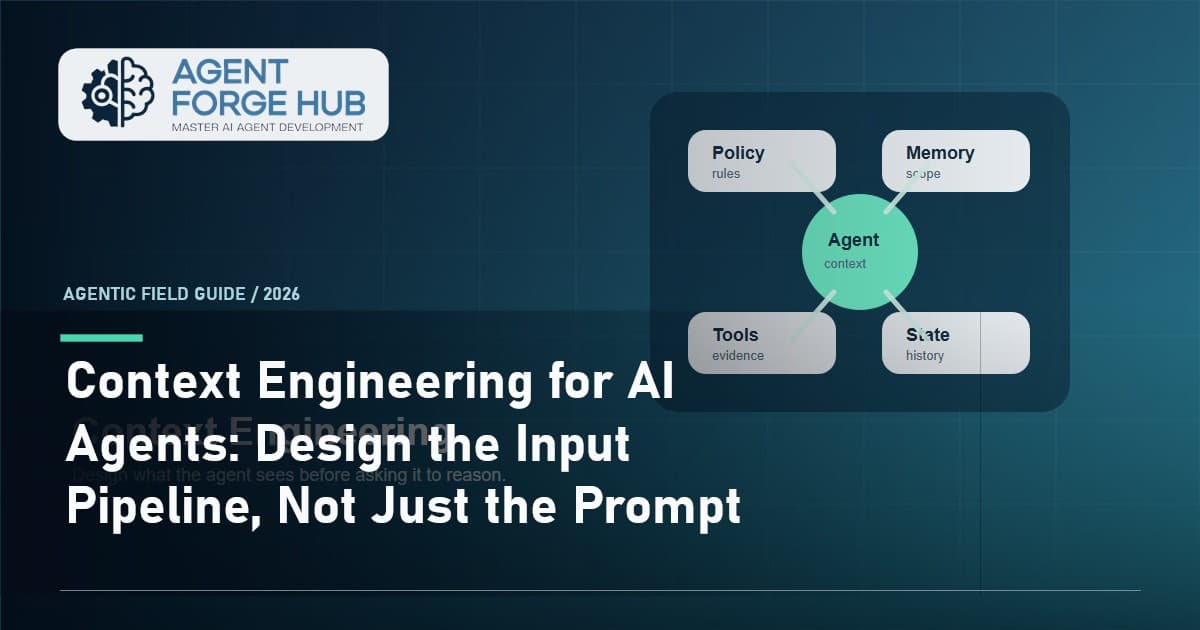
Prompt engineering is too small for production agents. Context engineering is the discipline of deciding what the agent should see, when it should see it, and what must stay out.
Benchmarks are useful, but they do not tell you whether an agent will survive your workflow. Production evals need traces, tools, permissions, edge cases, and human review.
Chat is a useful command layer, but many agent workflows need tables, timelines, approvals, previews, and dashboards. This guide explains how to design agent UX beyond the text box.
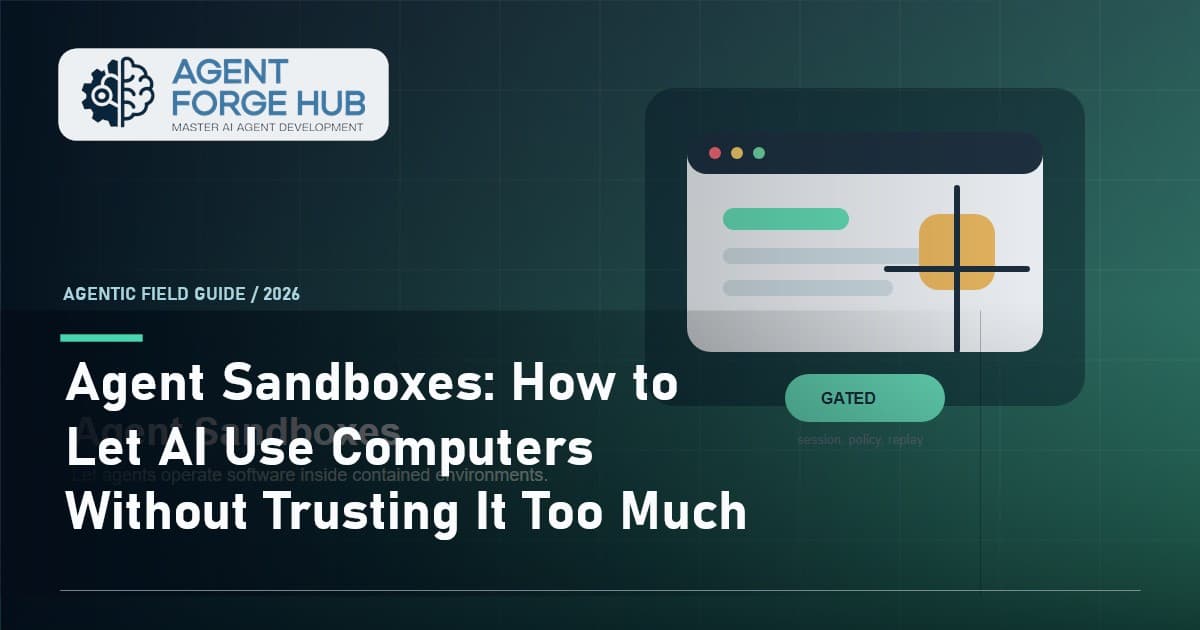
Computer-use agents are becoming useful, but giving them a normal desktop is reckless. This guide explains how sandboxes, policies, and action gates make computer-use agents safer.
Most agent dashboards count chats, tokens, and thumbs-up reactions. Product teams need outcome analytics: resolved tasks, avoided work, user trust, escalation quality, and retained value.

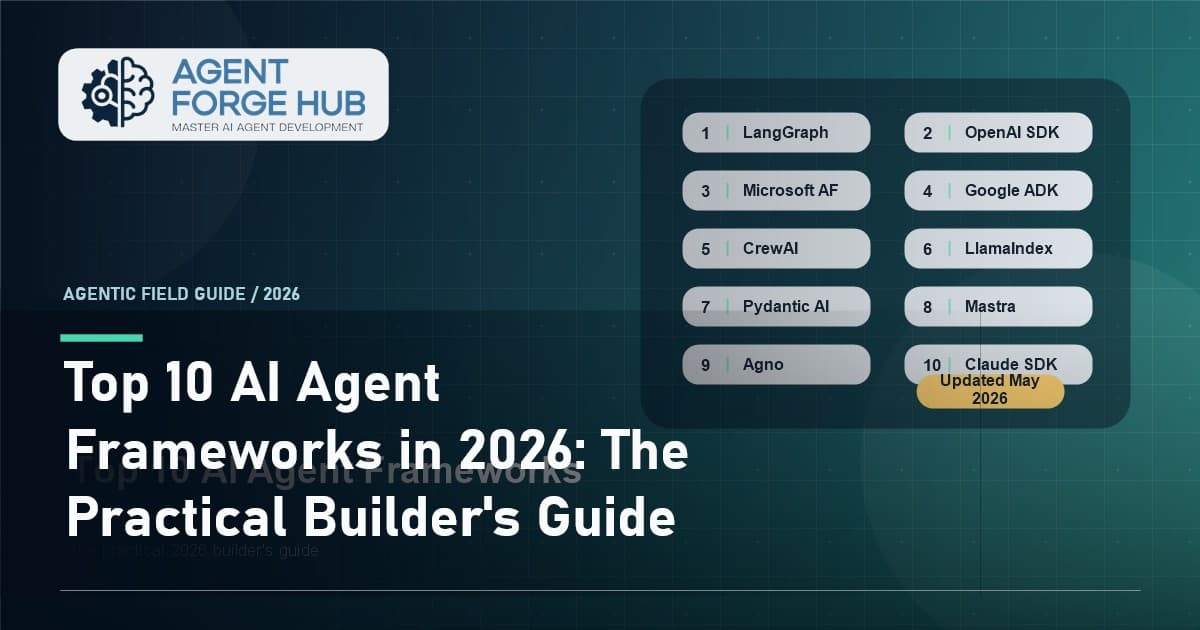
An updated 2026 comparison of the top AI agent frameworks, including LangGraph, OpenAI Agents SDK, Microsoft Agent Framework, Google ADK, CrewAI, LlamaIndex, Pydantic AI, Mastra, Agno, and Claude Agent SDK.

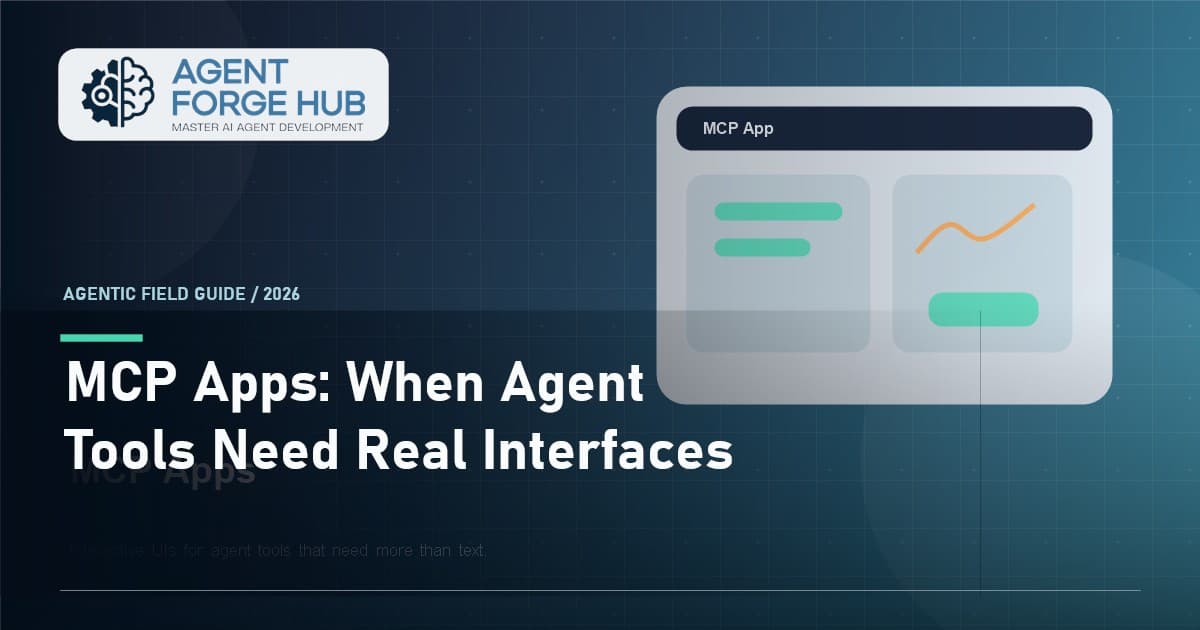
MCP Apps extend the Model Context Protocol with interactive interfaces. That changes how agents handle dashboards, approvals, forms, visualizations, and workflows that should not be trapped in chat.

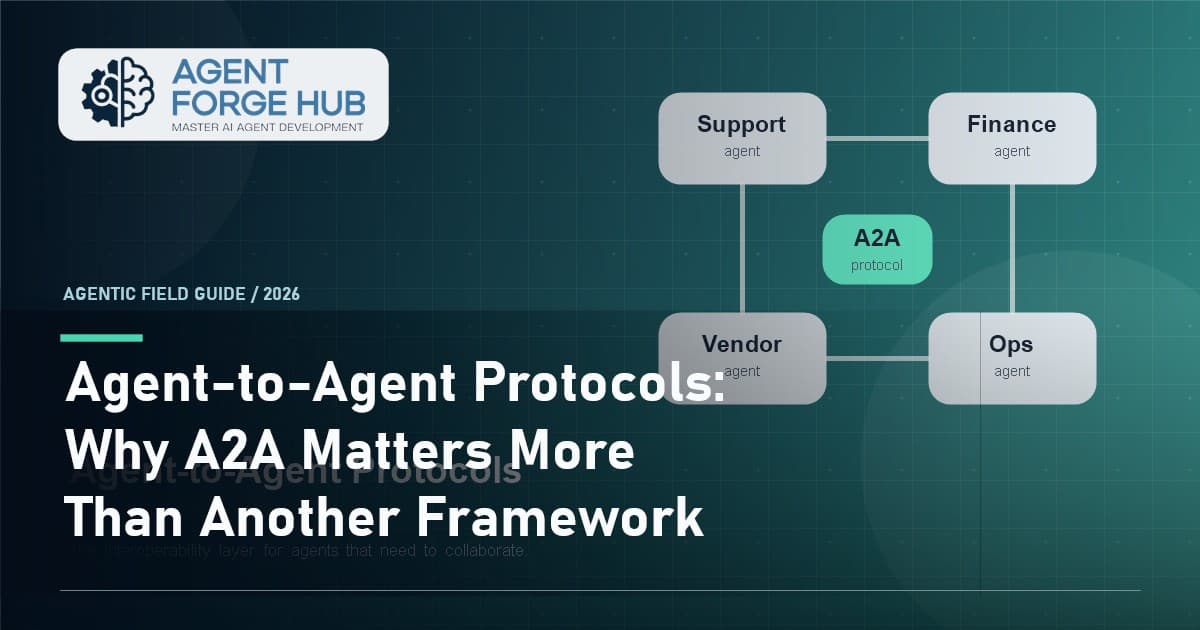
Agent interoperability is becoming the next serious bottleneck. A2A is not just another agent framework; it is a protocol-level attempt to let agents discover, negotiate, and collaborate across vendors and systems.

Agents are starting to shop, subscribe, book, and buy. AP2 matters because payments need proof of intent, clear authorization, and accountability before autonomous commerce can be trusted.

Kronos is one of the more interesting finance-specific foundation models in circulation. The important question is not whether it predicts markets like magic, but what it actually changes for forecasting, volatility modeling, and financial research workflows.

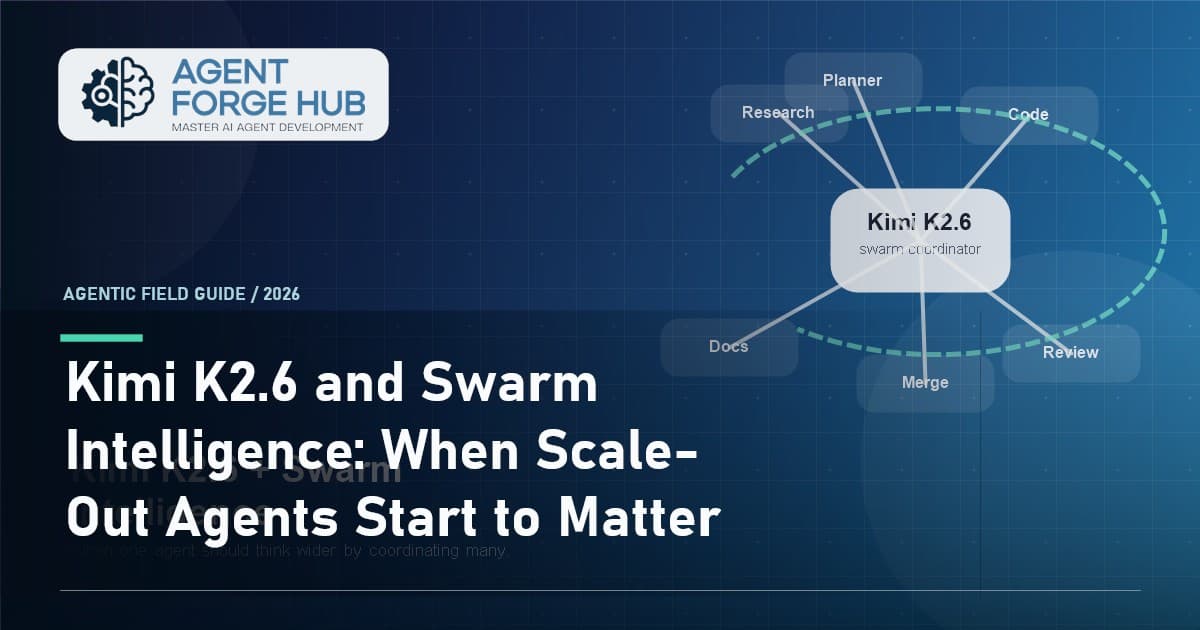
Moonshot AI's Kimi K2.6 puts swarm intelligence back in the conversation. The real question is not whether swarms sound impressive, but when scale-out agents actually outperform one very good agent.
Running models locally is not a badge of seriousness by itself. This guide explains when local models actually beat hosted APIs and when teams are just buying themselves more operational pain.
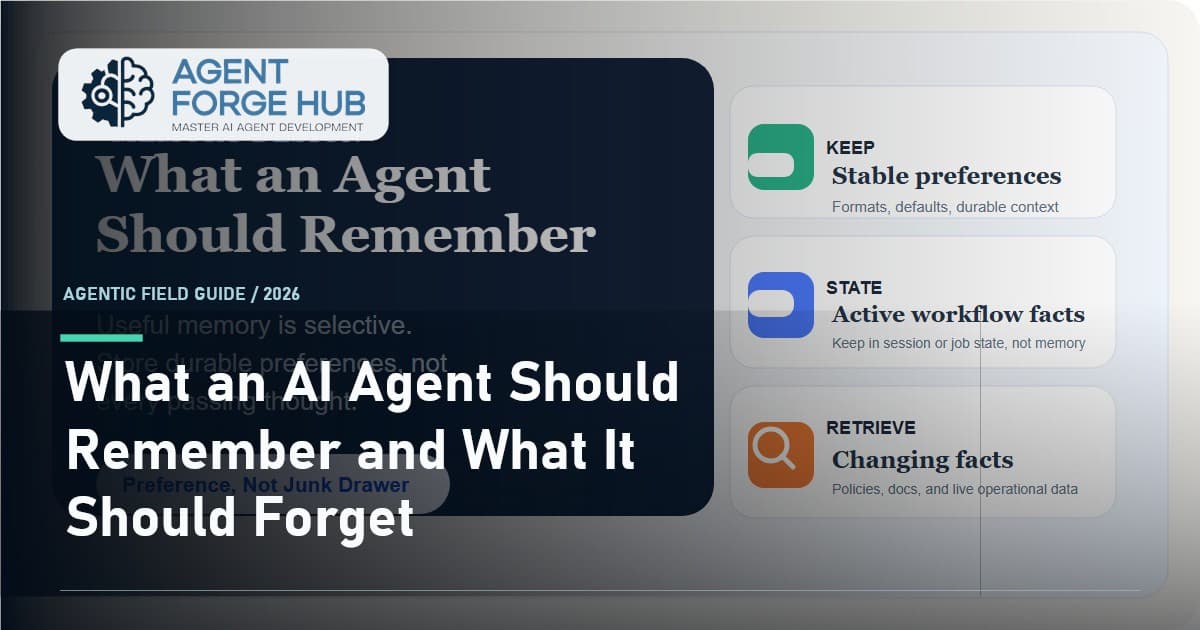
Teams say they want agent memory, but usually mean three different things. This guide separates memory from retrieval and workflow state, then shows what is actually worth storing.
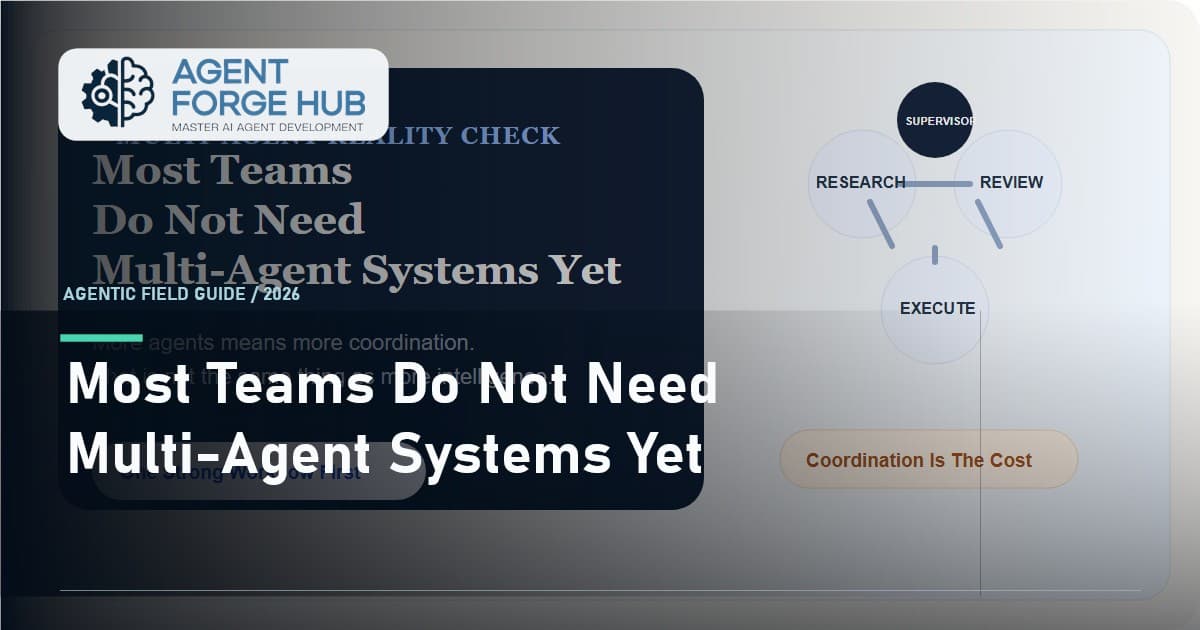
Multi-agent systems are seductive because they look like organizational intelligence. In practice, most teams reach for them before they have earned the extra coordination cost.
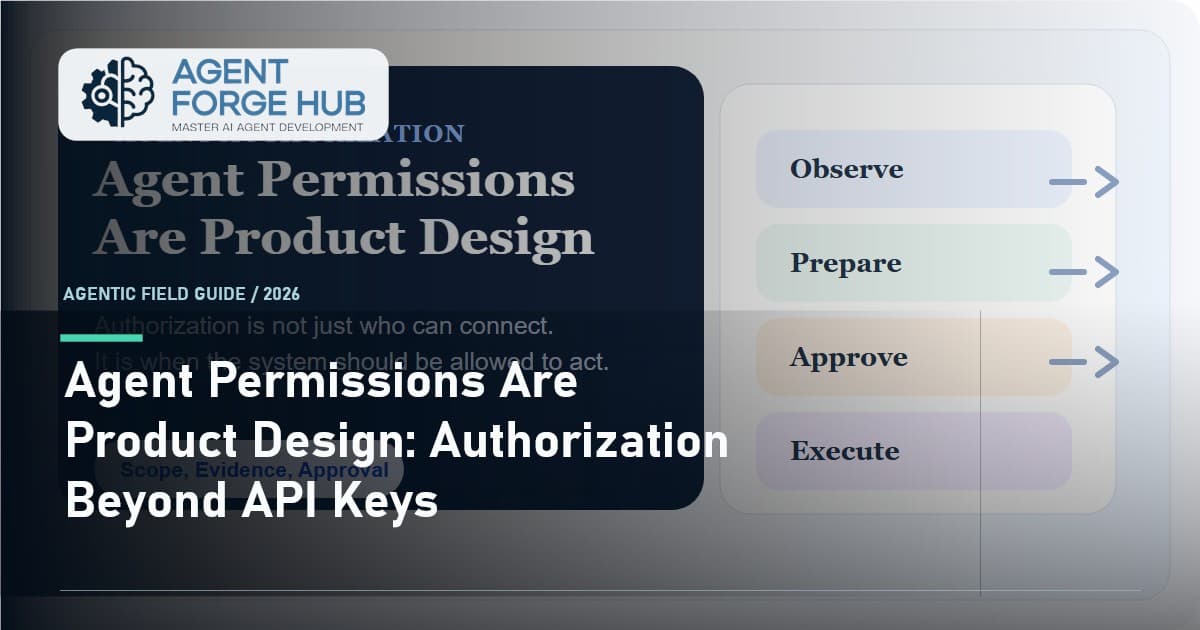
Most agent permission models stop at technical access. That is not enough. This guide explains why authorization in agent systems is really about who the system should be allowed to act for, when, and under what evidence.
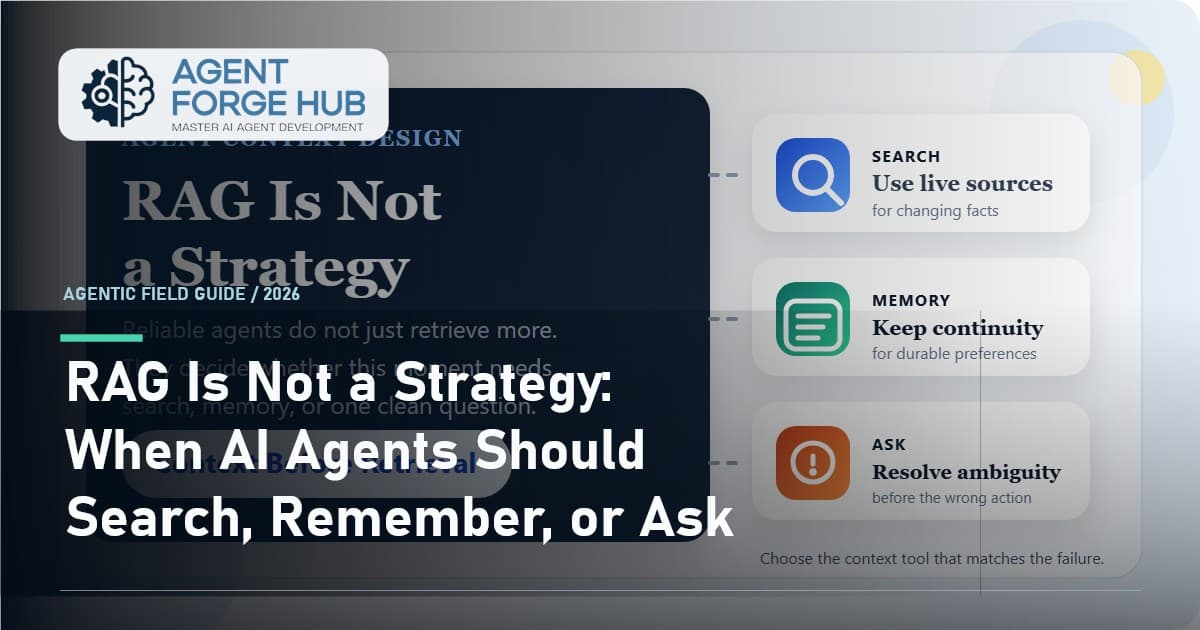
Too many teams reach for retrieval before they understand the real problem. This practitioner-focused guide explains when an AI agent should search, when it should rely on memory, and when it should stop and ask a clarifying question instead.

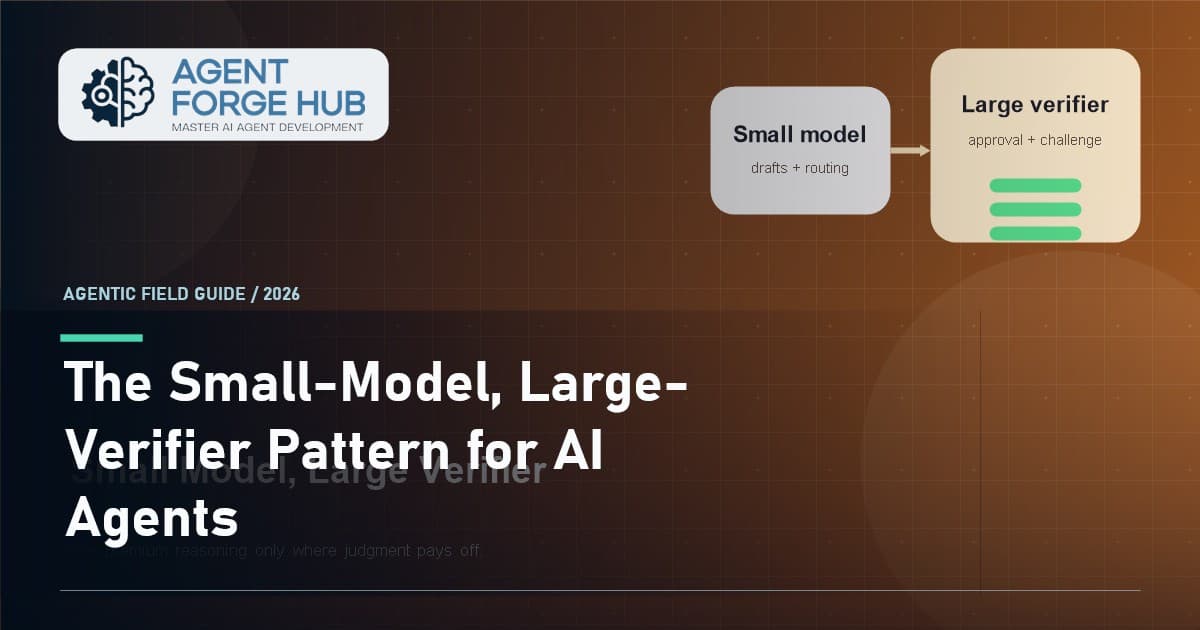
A practical architecture pattern for using smaller models to act and stronger models to verify, keeping agent quality high without paying premium cost on every step.

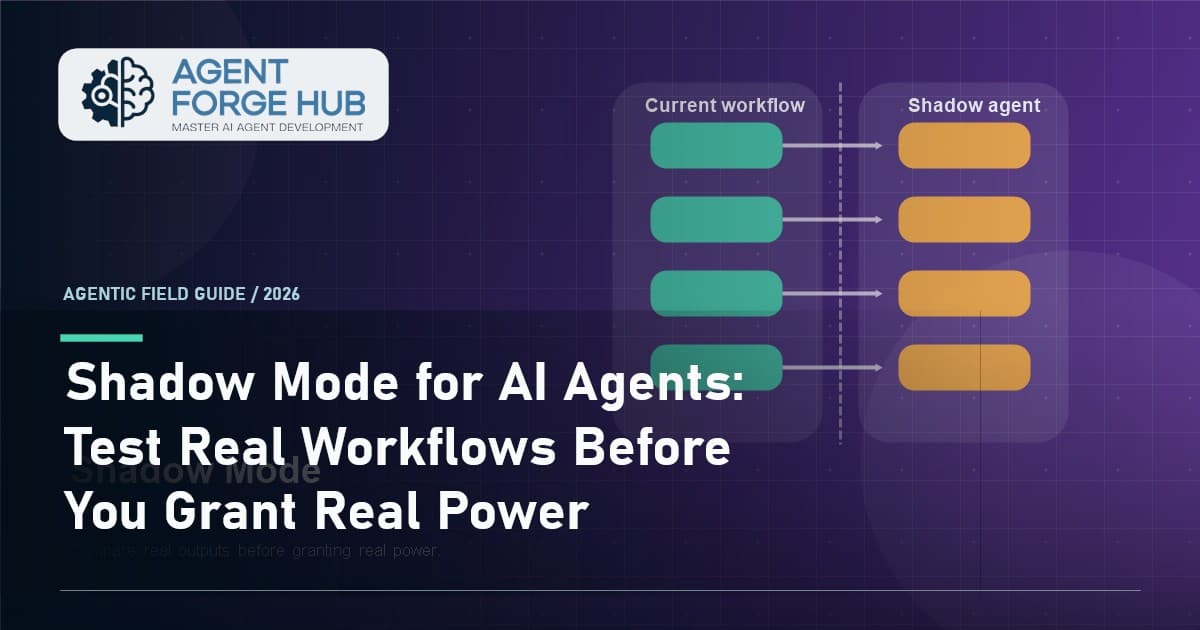
A practical guide to running agents in shadow mode so you can compare outputs, measure risk, and launch with fewer surprises.

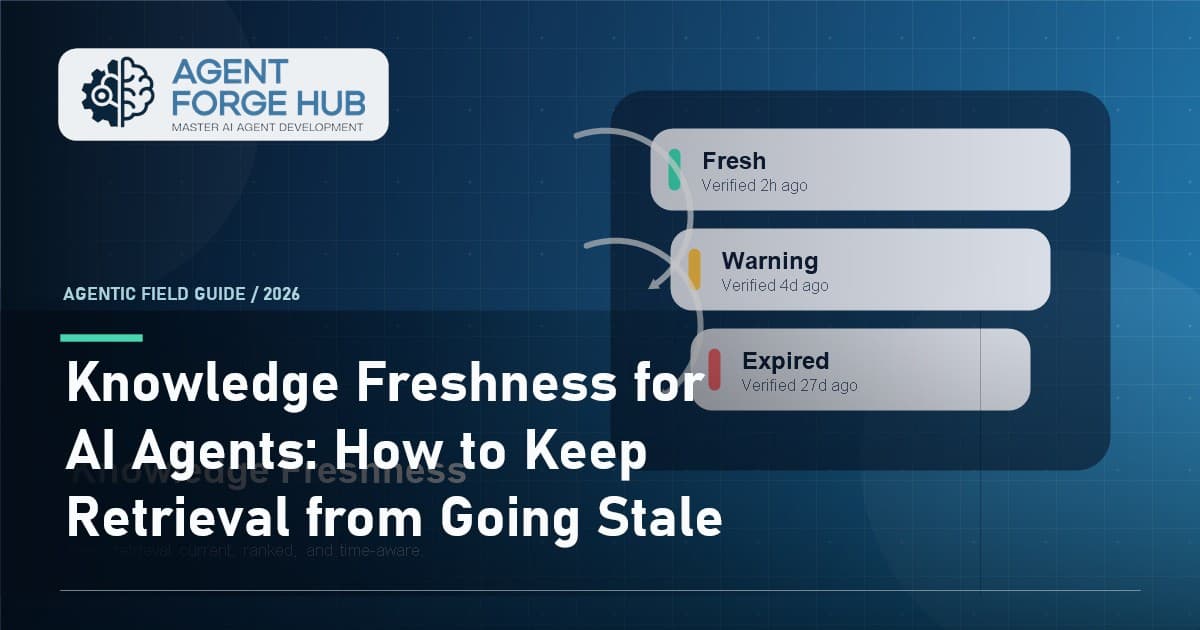
A practical playbook for keeping agent knowledge current with source SLAs, expiration rules, and retrieval pipelines that age gracefully.

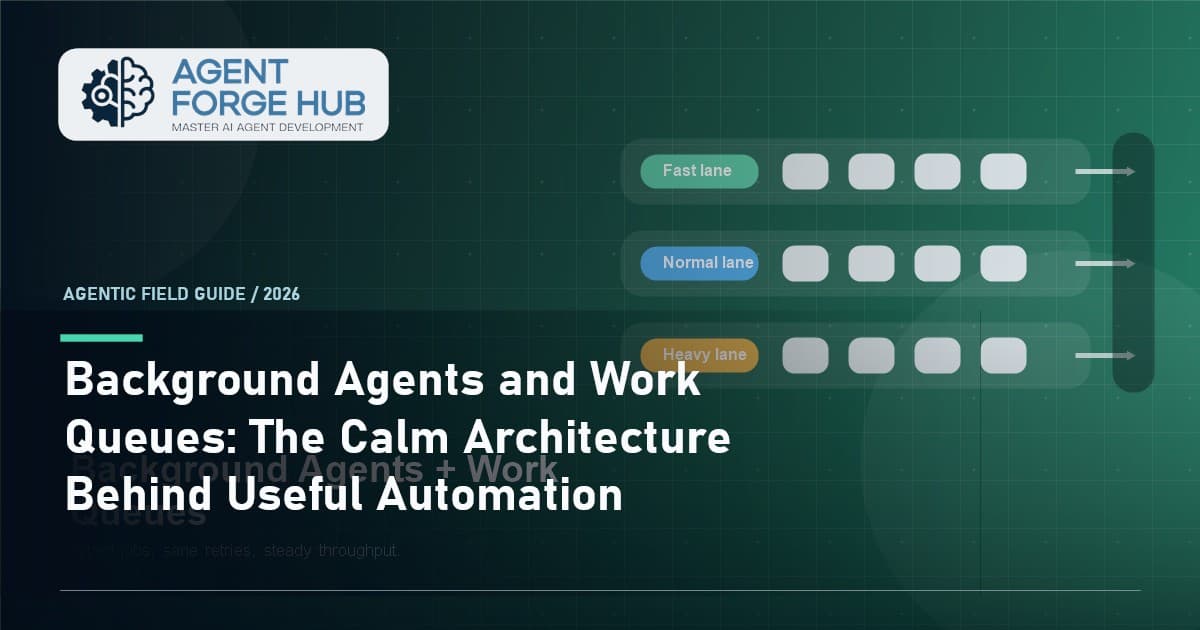
A practical guide to designing background agents that work through queues, recover gracefully, and avoid turning every workflow into a chat session.

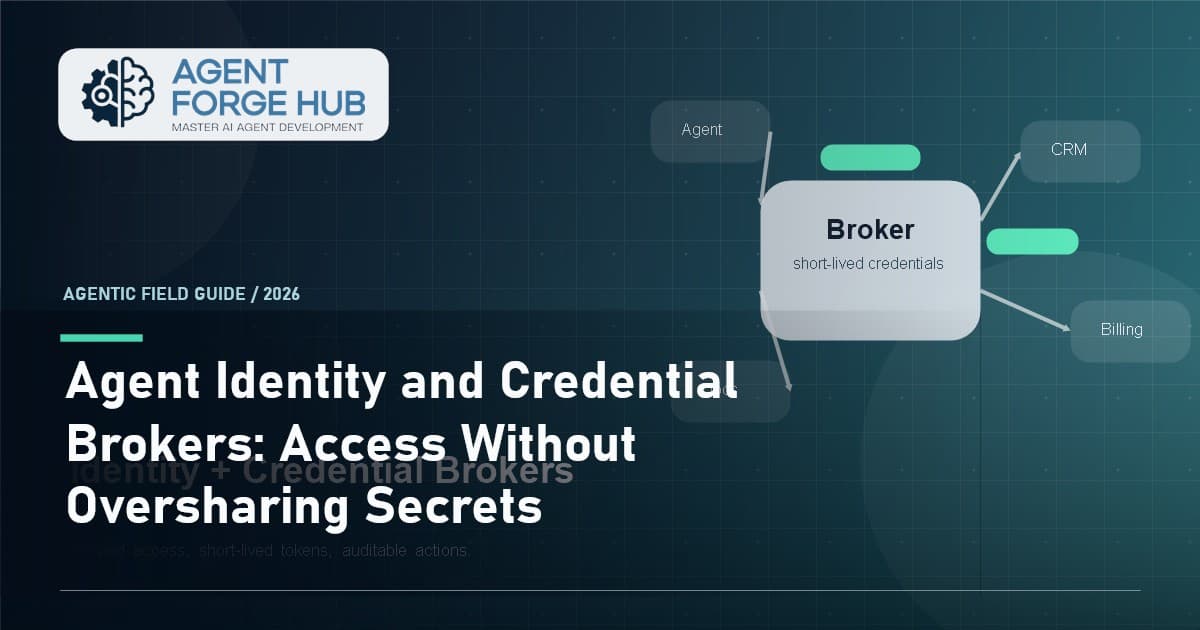
A practical security architecture for giving AI agents scoped access through identity layers, short-lived credentials, and brokered permissions.

A practical guide to keeping agent memory useful, safe, and inexpensive by design.

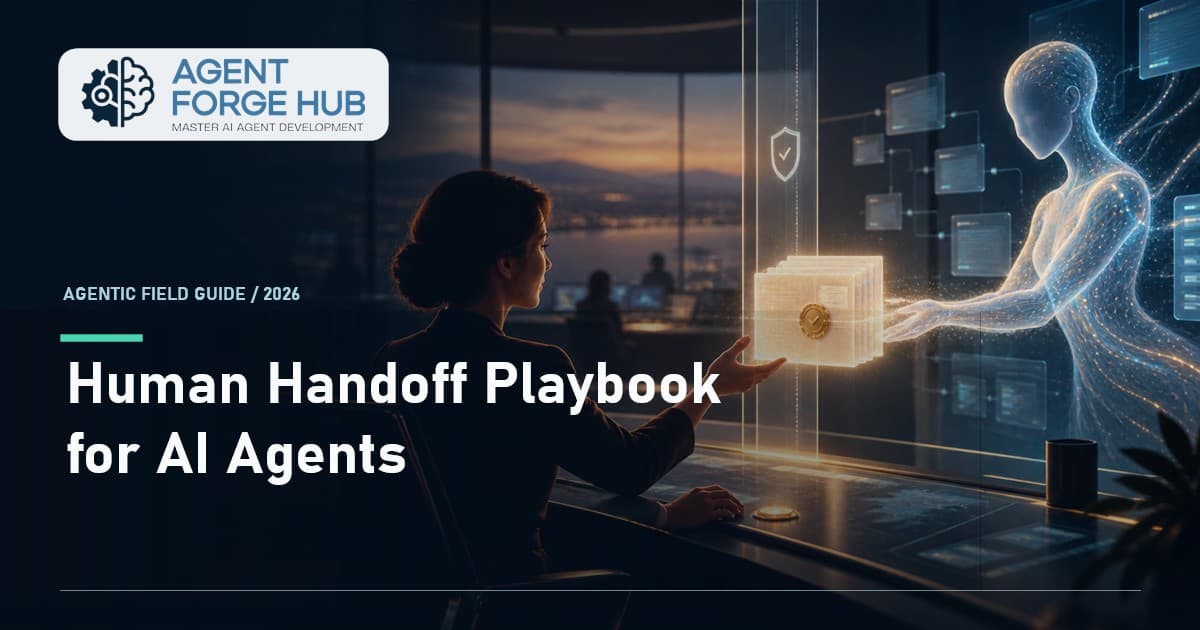
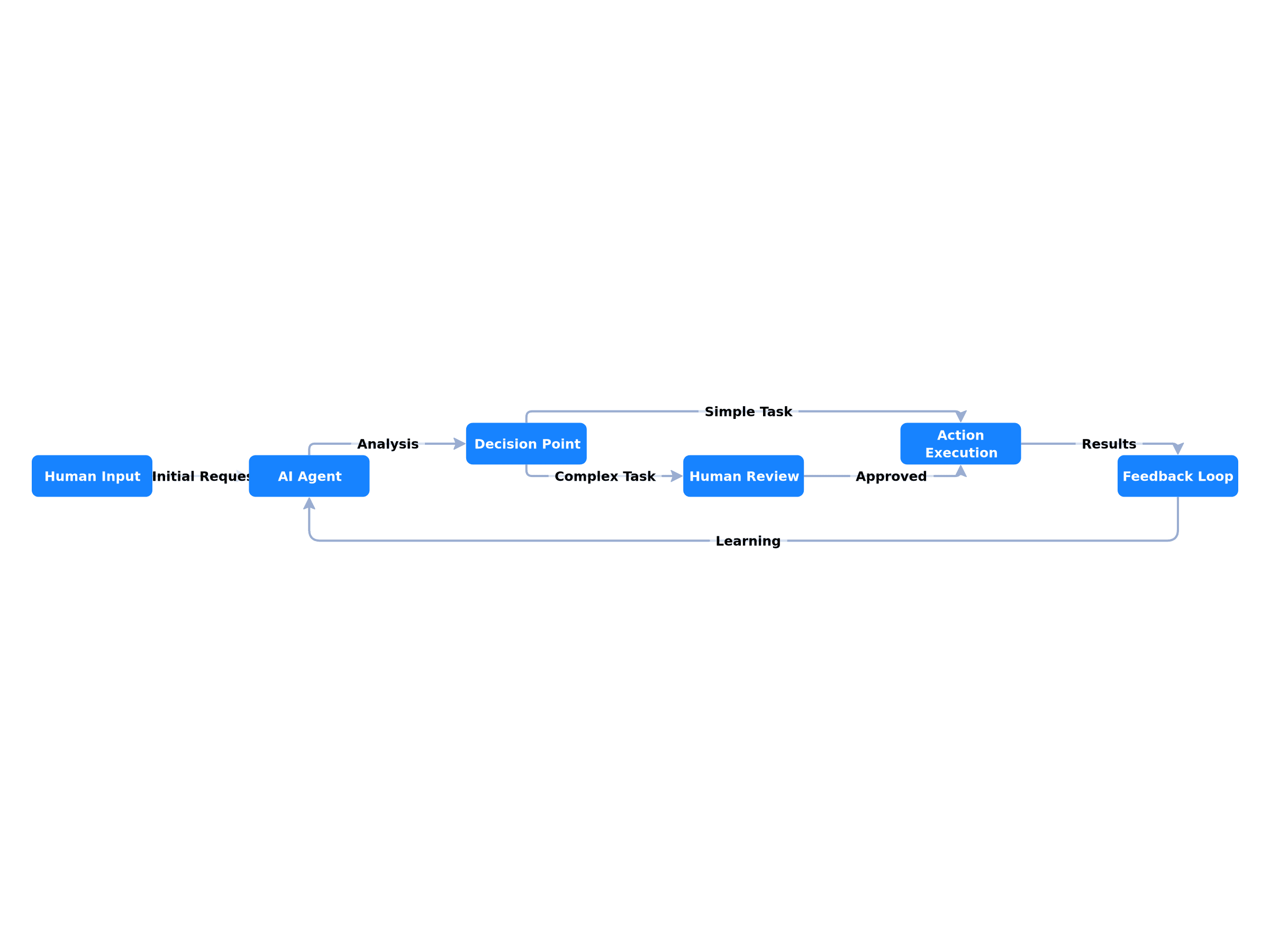
A practical guide to designing clean handoffs so humans stay in control without slowing your agent down.

A practical guide to designing intake forms and request schemas so your AI agent stops guessing and starts delivering consistent outcomes.

A practical cost-control playbook for AI agents, focused on predictable spend without gutting quality.

A practical, experience-based guide to turn an internal AI agent into a small paid product without overbuilding or overpromising.

A grounded, experience-based look at the biggest shifts likely to shape AI agents in 2026, from reliability and tooling to regulation and product design.

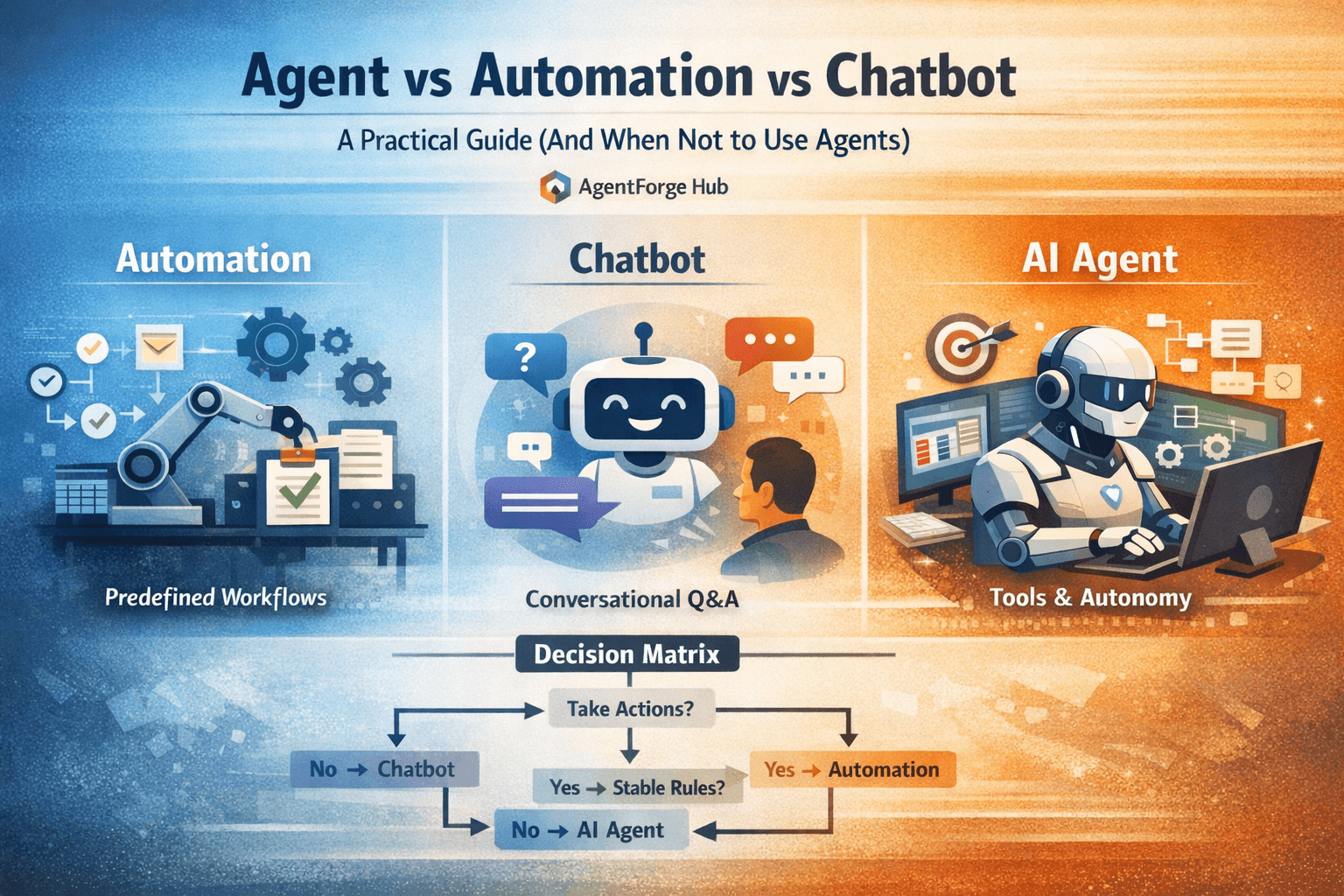
A decision-first guide to pick the simplest option that works: classic automation, a chatbot, or a true AI agent with tools, memory, and autonomy.

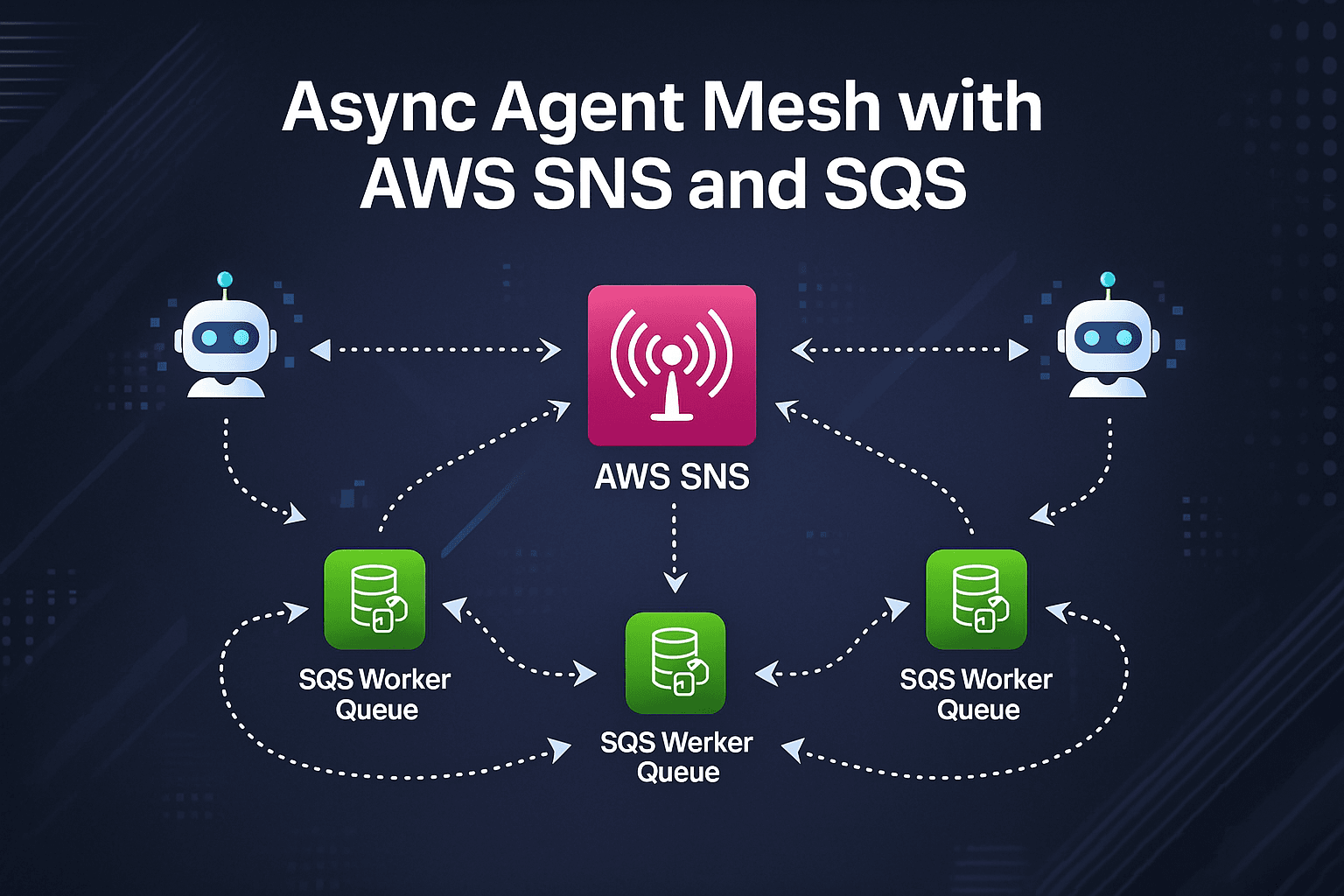
Design an asynchronous backbone for AI agents using AWS SNS fan-out and SQS worker queues, with the AWS AgentCore managed service orchestrating the flow.

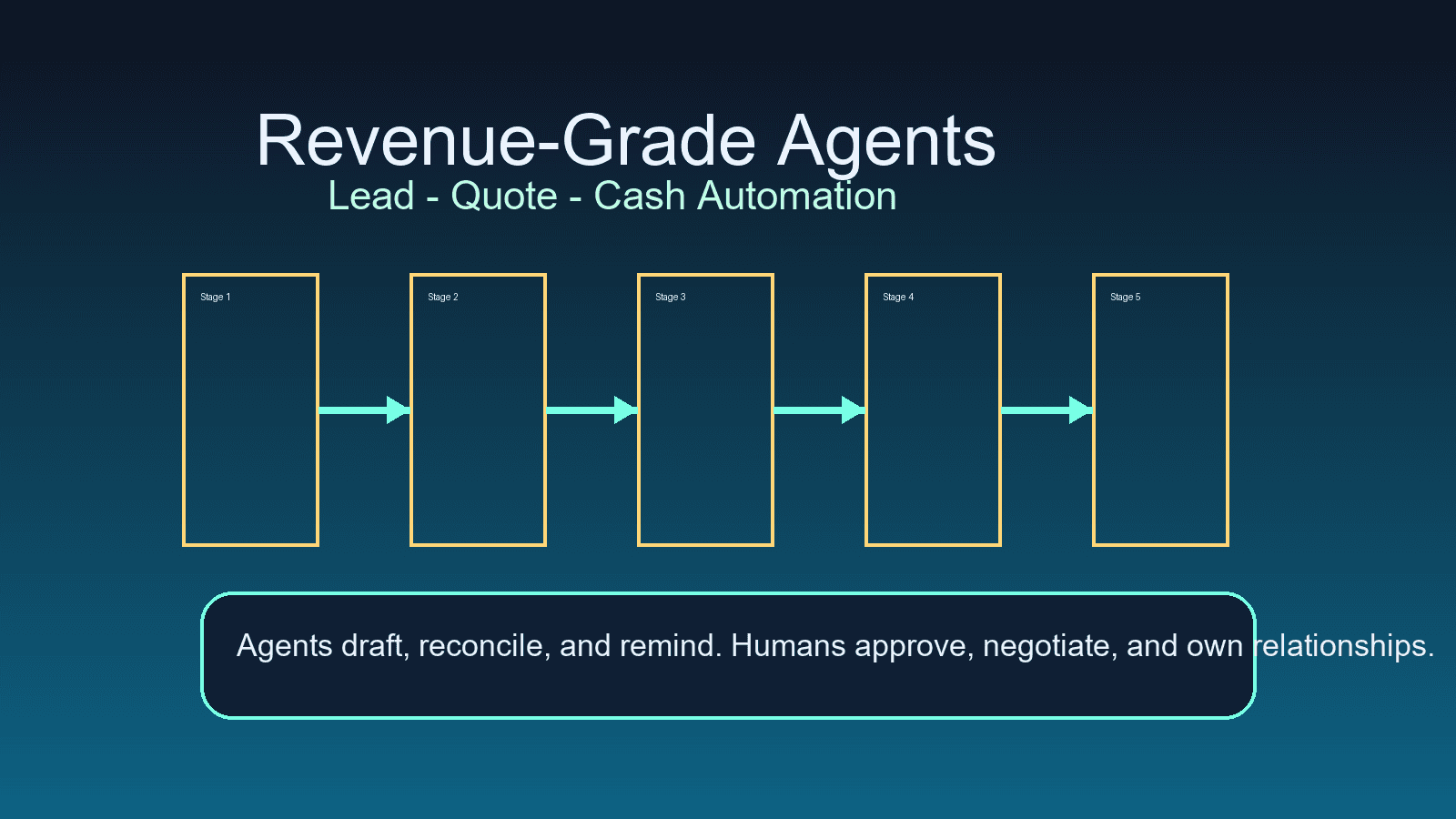
Design agents that handle prospecting, deal support, and billing without breaking your revenue operations stack.

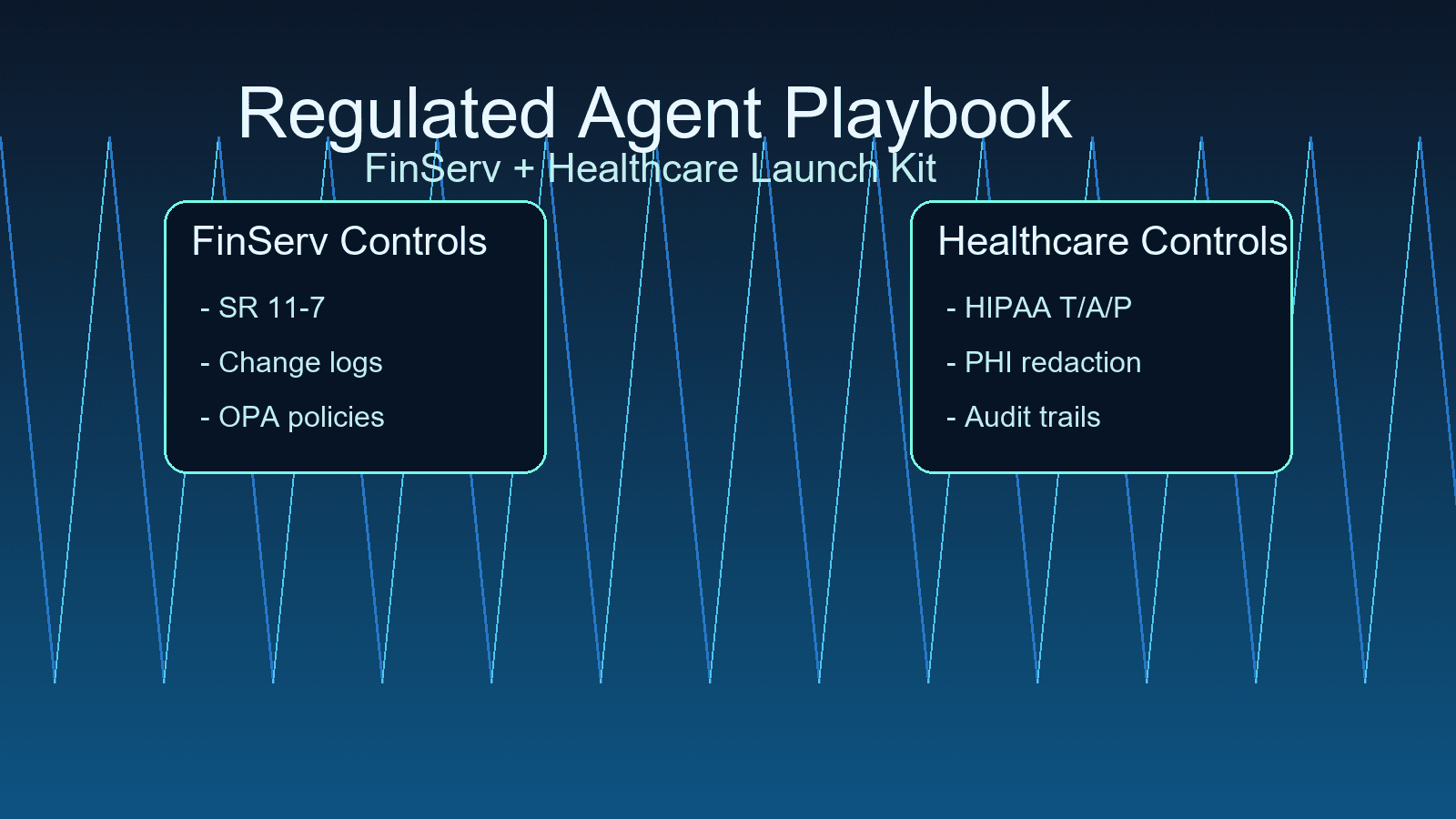
Blueprint for shipping agentic AI in regulated environments without tripping privacy, audit, or model risk controls.

Compare orchestration patterns for multi-agent systems and learn how to build a command center that mixes DAG planners, event streams, and human checkpoints.

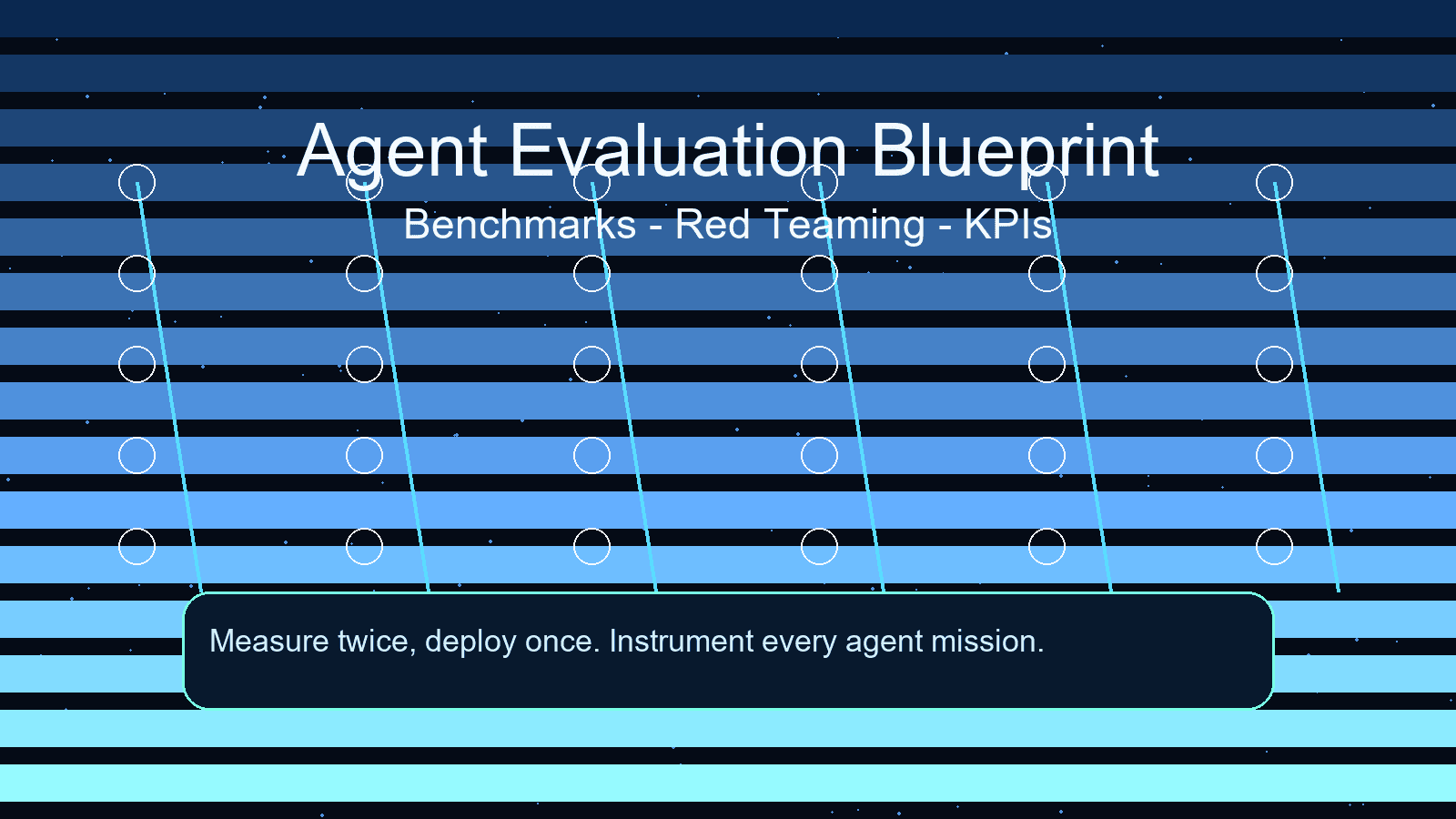
Ship agentic systems with confidence by building an evaluation stack that blends benchmark suites, live telemetry, and human red teaming.

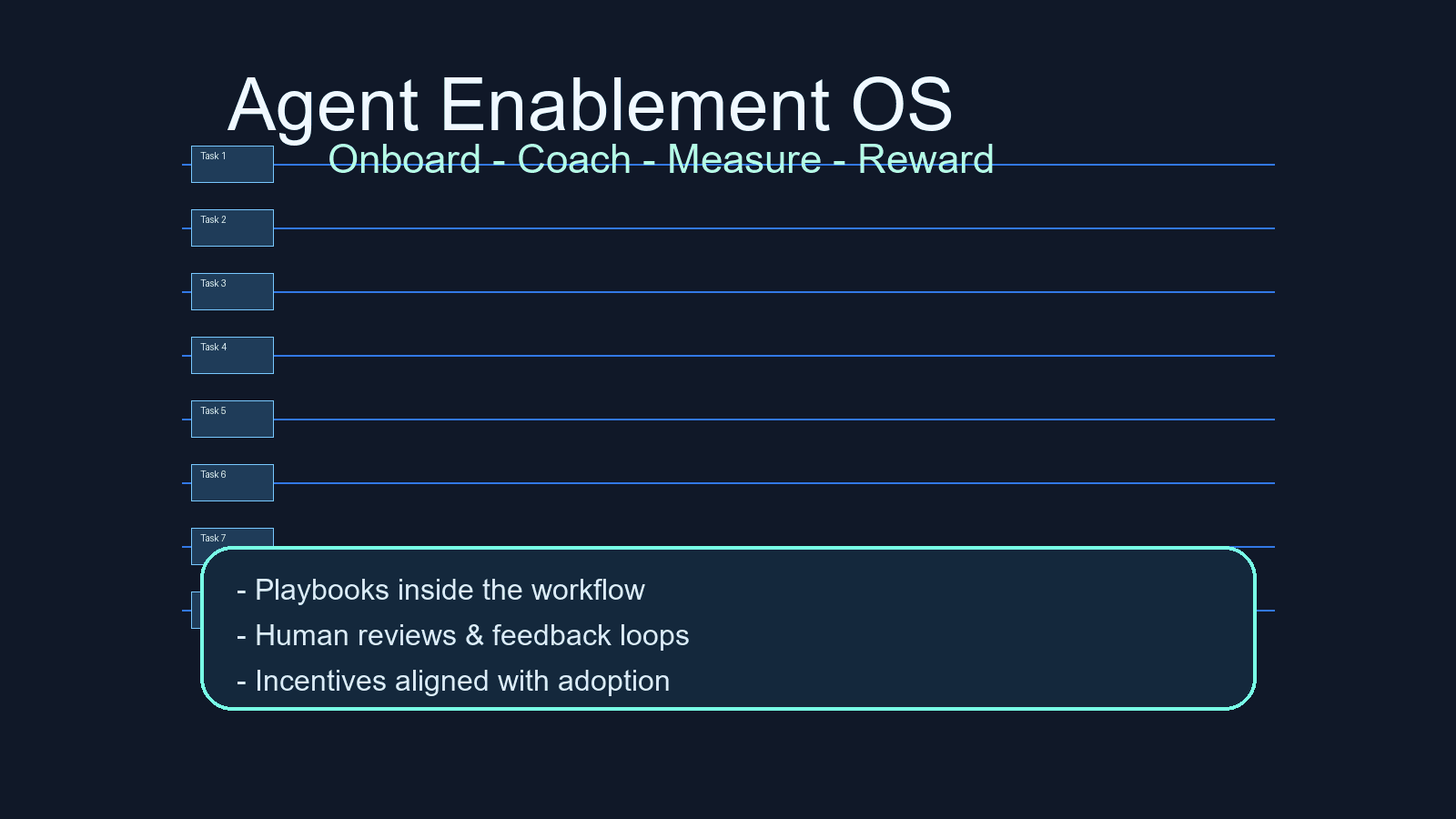
Automation fails when people don't know how to collaborate with agents. Build an enablement OS that covers onboarding, playbooks, metrics, and incentives.

Agentic stacks are brilliant at discrete tasks, but the relational, strategic, and improvisational edges that define real jobs stay human. Here is how to architect the partnership.

Turn agent experiences into revenue with thoughtful pricing, packaging, SLAs, and support playbooks.

Build agents that keep pace with live voice, cursor control, DOM streams, and fast APIs using latency budgets, incremental reasoning, and graceful degradation.

Build deterministic sandboxes, fuzz inputs, red-team scenarios, and pass/fail gates before agents ever touch production data.

Design disciplined tool schemas, function signatures, and domain ontologies so agents can plan with confidence and avoid brittle prompt hacks.

Design AI agents that respect HIPAA, PCI, GDPR, CCPA, and regional residency rules with PII minimization, DLP hooks, and airtight audit logs.

Keep browser-capable agents safe with prompt-injection defenses, sandboxing, secrets hygiene, and hardened toolchains.

Design review queues, reversible actions, escalation trees, and friendly UIs that keep humans comfortably in control while agents do the heavy lifting.

Keep autonomous agents fast and affordable with token budgets, caching, speculative decoding, quantization, and smart model portfolios.

Instrument autonomous agents with traces, metrics, dashboards, and post-mortems so you can debug tool calls and ship fixes before customers ever notice.

Design agents that run on laptops, Jetsons, and Raspberry Pis. Explore privacy trade-offs, sync strategies, and tricks for squeezing serious intelligence into small footprints.

Measure autonomous agents on what matters: goal pursuit, reliability, and trust. Explore emerging benchmarks, red-team tactics, and safety engineering practices for agentic AI.

Move beyond chat responses to agents that browse, code, call APIs, and control devices. Explore planning patterns, safety rails, and integration strategies for real-world execution.

Harness swarms of AI agents without losing control. Explore coordination protocols, emergent behaviors, and governance models that keep multi-agent ecosystems productive.

Transform stateless chatbots into adaptive companions. Learn how episodic logs, semantic knowledge, and lifelong learning loops create agents that remember, reason, and improve.

Design AI agents that pursue bold goals without drifting off-mission. Explore practical guardrails, ethical debates, and governance patterns that keep autonomy aligned with human intent.

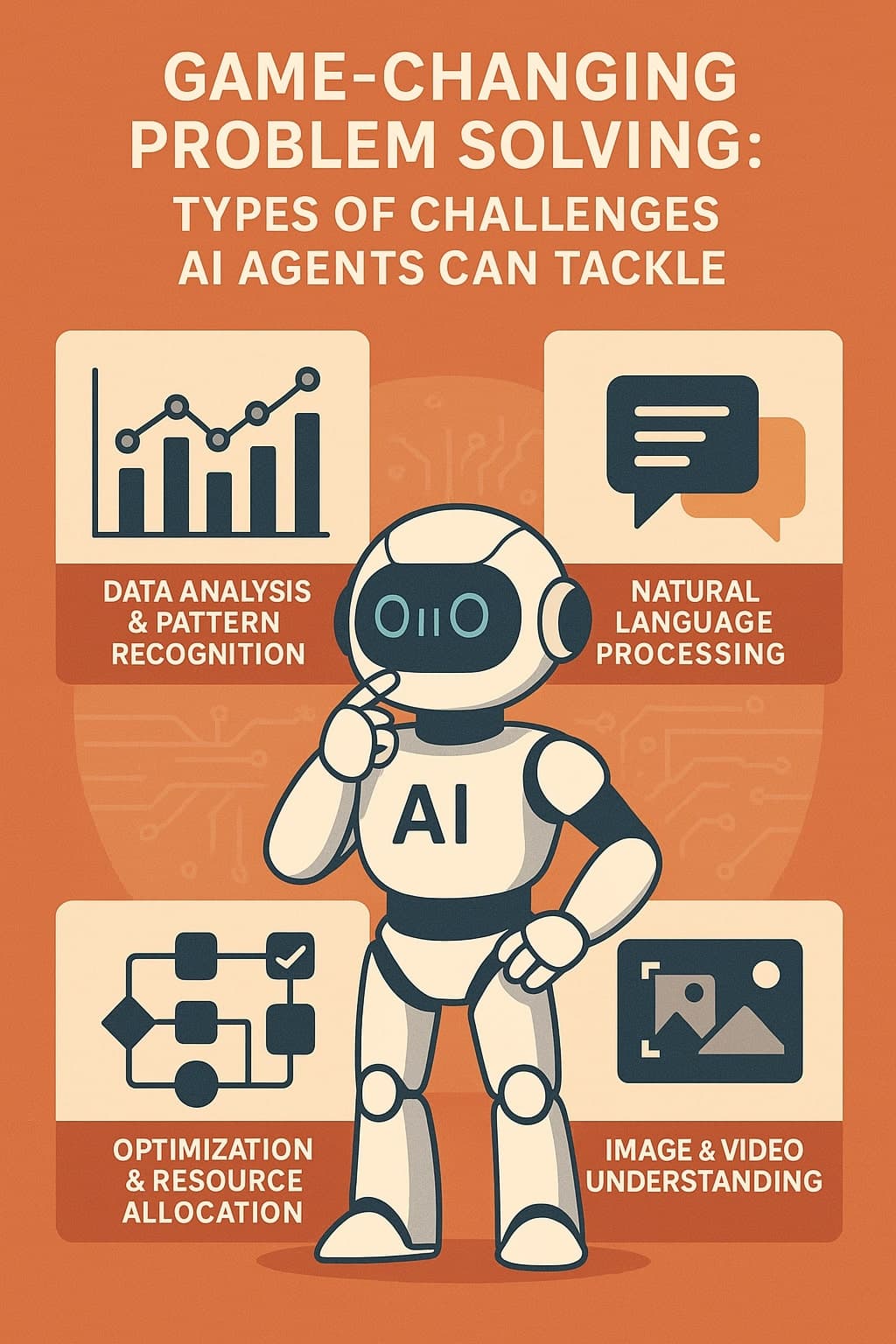
Explore the diverse range of problems AI agents can solve, from data analysis to creative tasks, and how they're revolutionizing various industries.

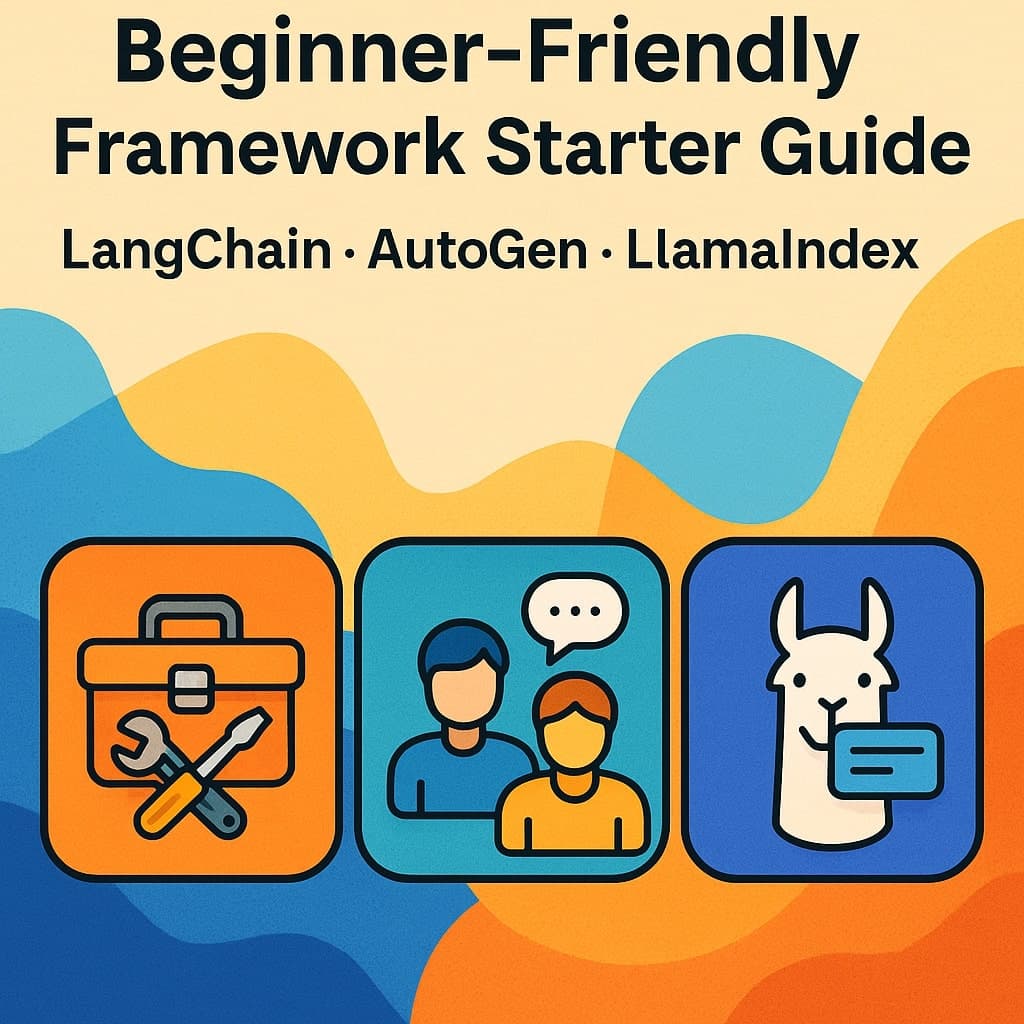
Not sure which AI framework to start with? This fun and practical 5000+ word guide compares LangChain, AutoGen, and LlamaIndex with history, setup instructions, code examples, and real-world use cases.

AI agents are evolving from helpful assistants into strategic partners that shape enterprise decision-making. Here's how to prepare your organization for this transformation, build trust across teams, and measure strategic contributions.

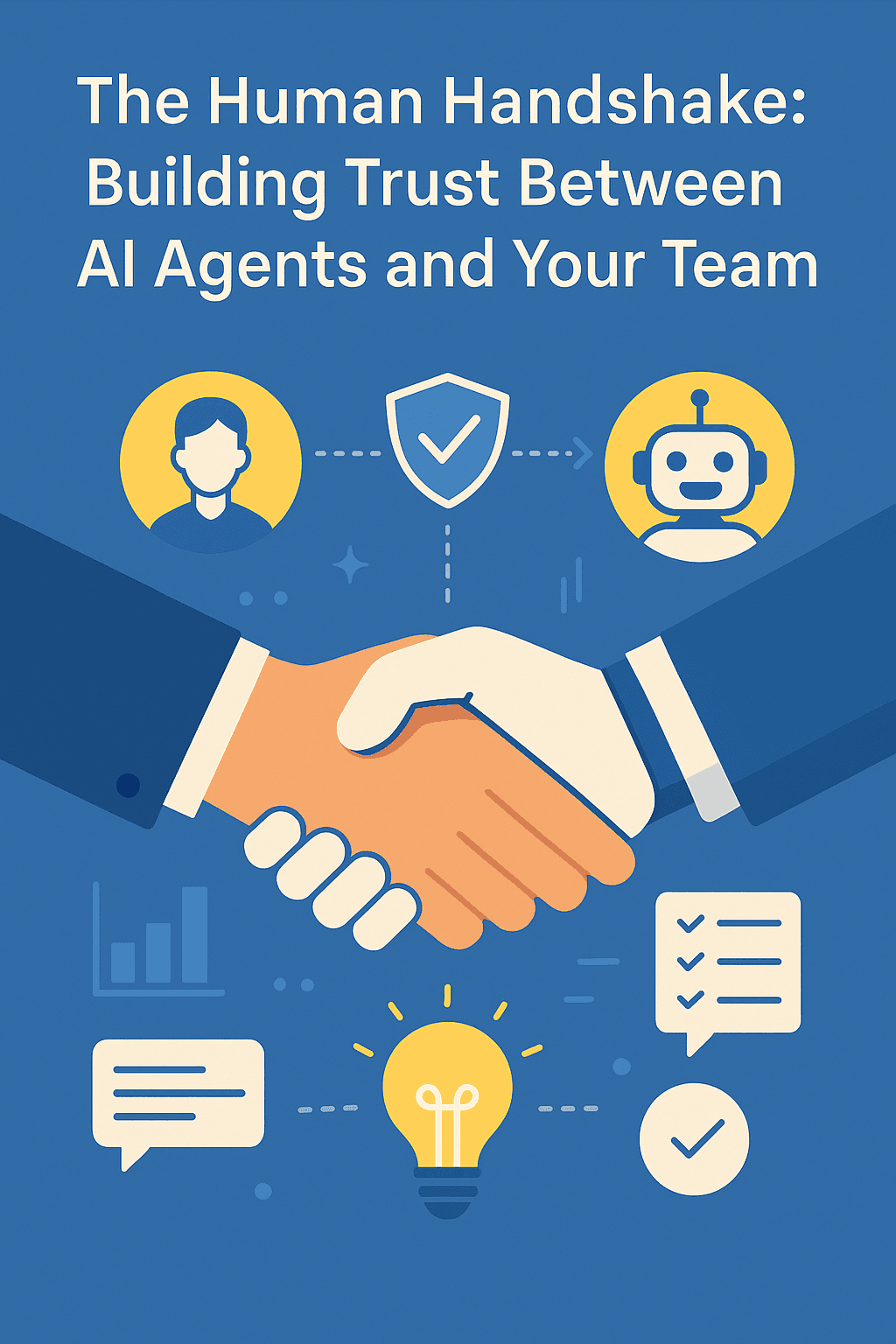
AI adoption isn't just about tools — it's about trust. Learn how to build cultural and technical bridges between humans and AI agents so your team feels empowered, not replaced.

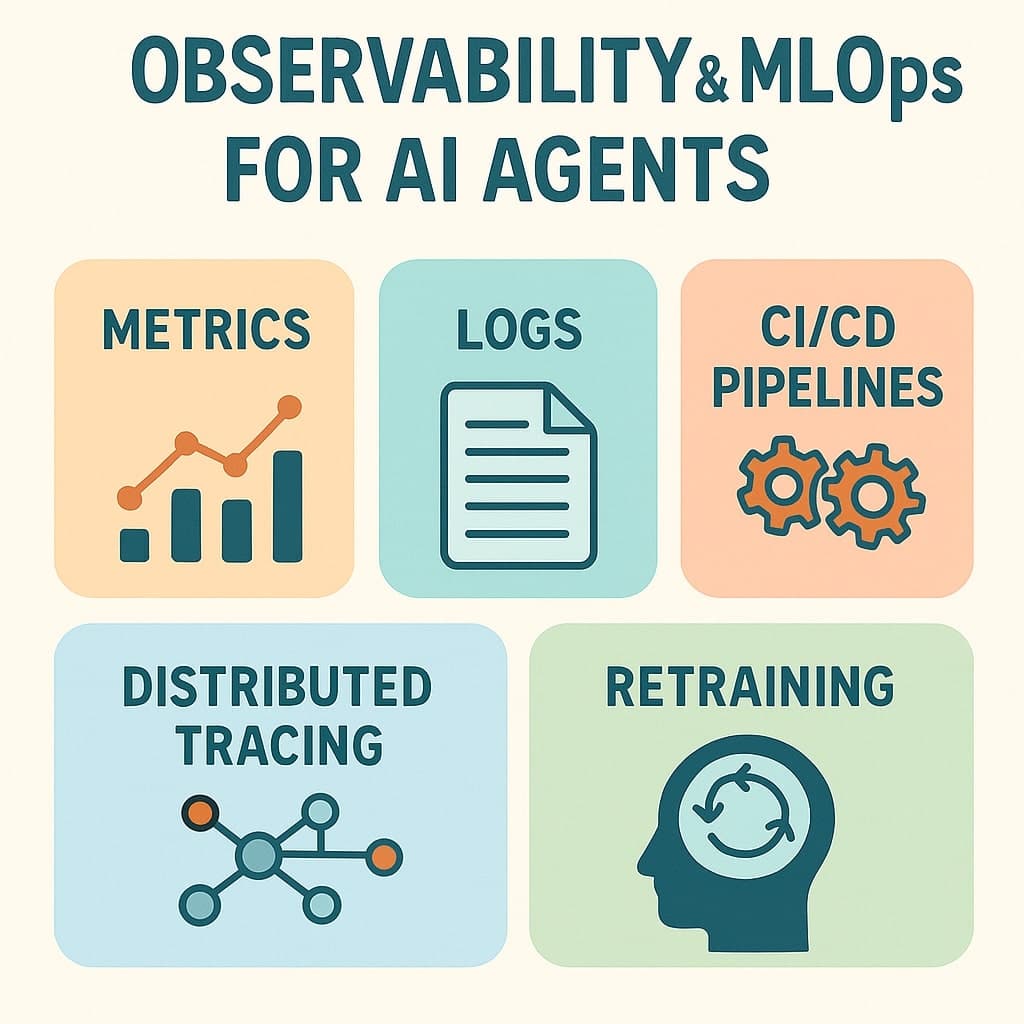
Once your AI agents are live, robust observability and MLOps practices ensure reliability, performance, and continuous improvement.

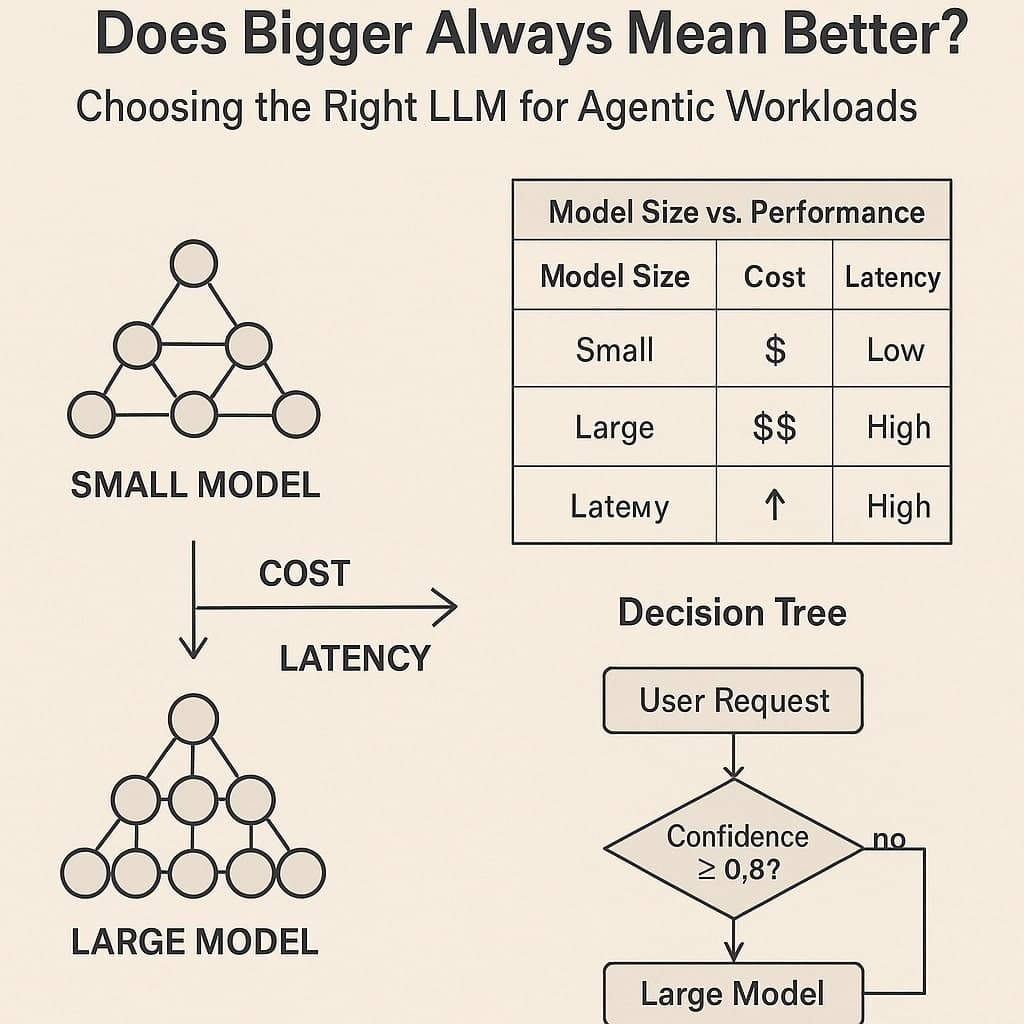
When building AI agents, the biggest model isn’t always the best. Learn how to match model size to your agent’s workload, balancing cost, latency, and reasoning power.

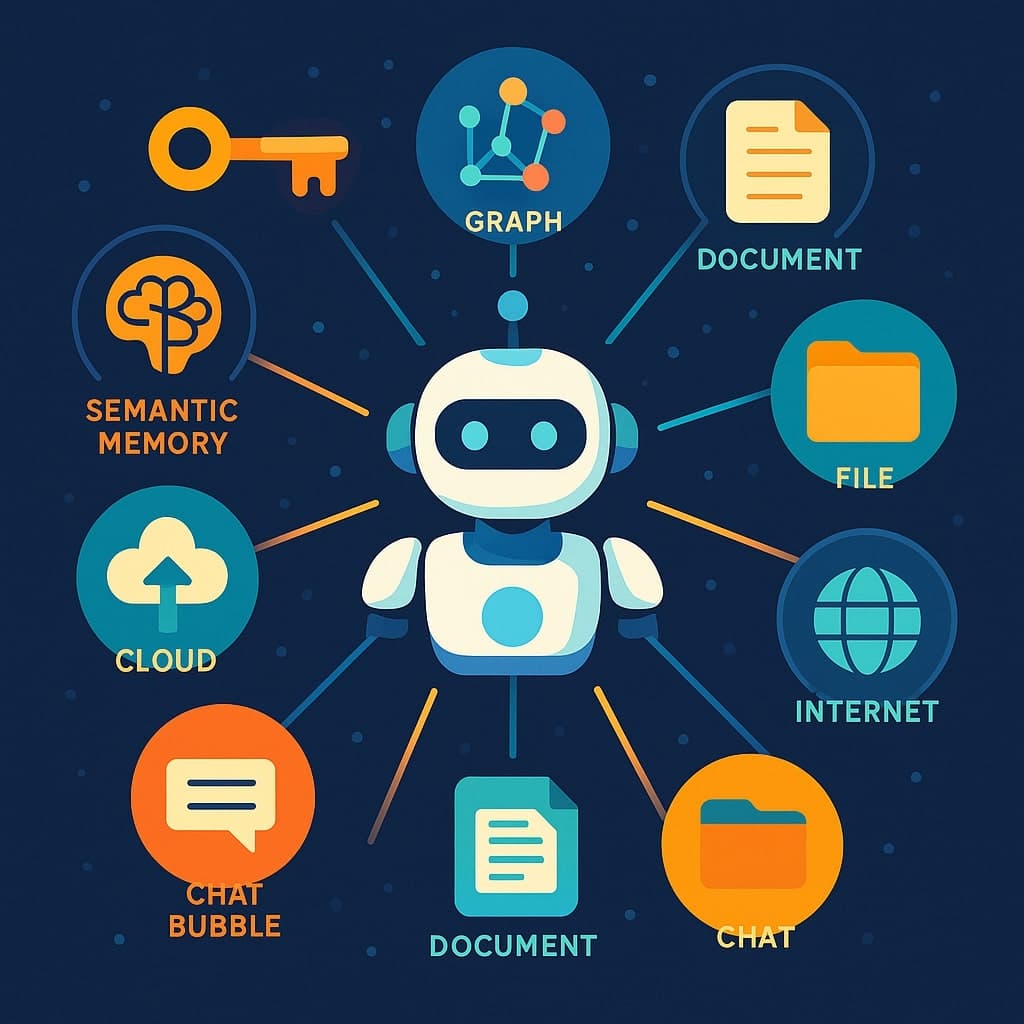
Explore the most powerful Model Context Protocol (MCP) servers—from KnowledgeGraphMemory to SequentialThinking and beyond—that add persistent memory, dynamic planning, and tool integrations to your AI agents.

Learn how to build powerful AI agents from scratch with this comprehensive guide covering frameworks, tools, and best practices for 2025.

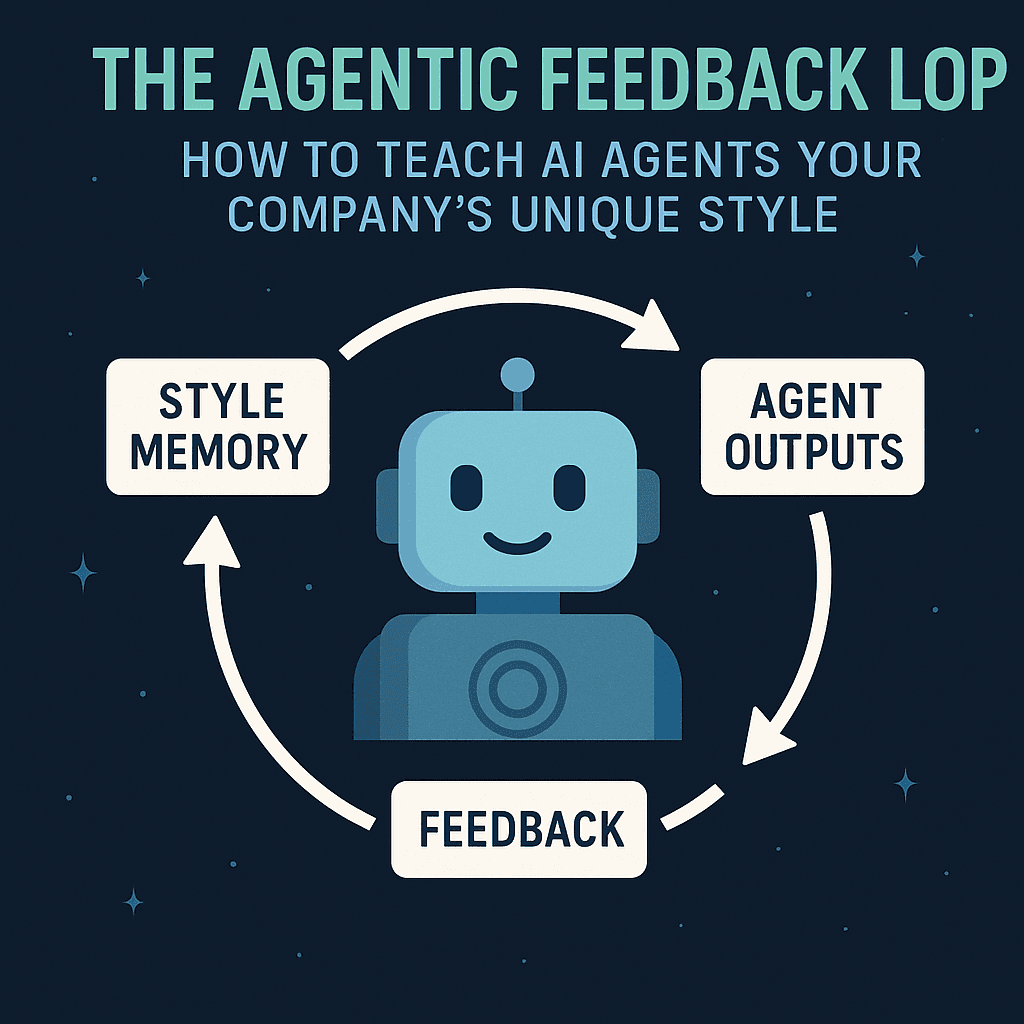
Stop letting AI agents produce outputs that don't feel like your brand. Learn how to create a persistent style memory that teaches agents your company's unique voice, coding patterns, and institutional knowledge.

Explore 7 realistic AI agent business models with detailed revenue projections, market analysis, and implementation strategies. Learn what's possible and how to get started.

Explore how human-in-the-loop AI agents combine the efficiency of automation with human oversight and decision-making. Learn implementation strategies, use cases, and best practices for building AI systems that keep humans in control.

Unpack the concept of the Technological Singularity—its origins with Vinge and Kurzweil, the key inflection points to watch for recursive self-improvement and AI-driven science, and the real-world metrics that might signal we've crossed the event horizon.

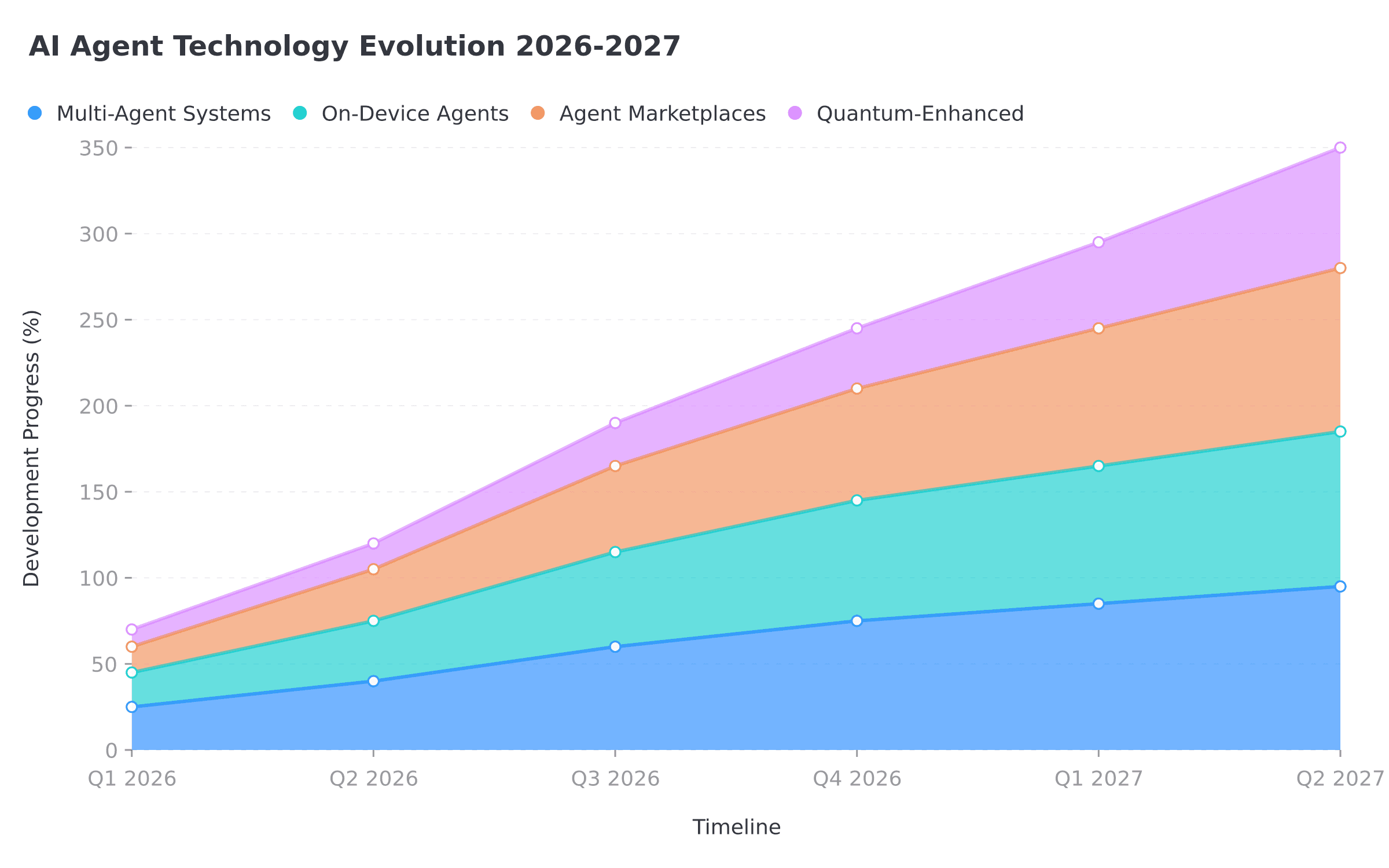
A forward-looking roundup of upcoming breakthroughs—multi-agent collaboration frameworks, on-device agents for privacy, agent marketplaces for swapping skills—and under-the-radar open-source projects to watch.
Stay updated with the latest insights and tutorials on ai agents
AI agents are autonomous software programs that can perceive their environment, make decisions, and take actions to achieve specific goals. Learn about building, deploying, and scaling AI agents for various applications.